
Self improvement is a quiet journey made of small repeated actions. Lasting change rarely comes from sudden big efforts. It grows from gentle habits practised with kindness and consistency. These simple habits support the mind, body, and daily life without adding stress. Choose one or two that feel natural and let them settle softly into your routine.

Begin the Day with Quiet Intention
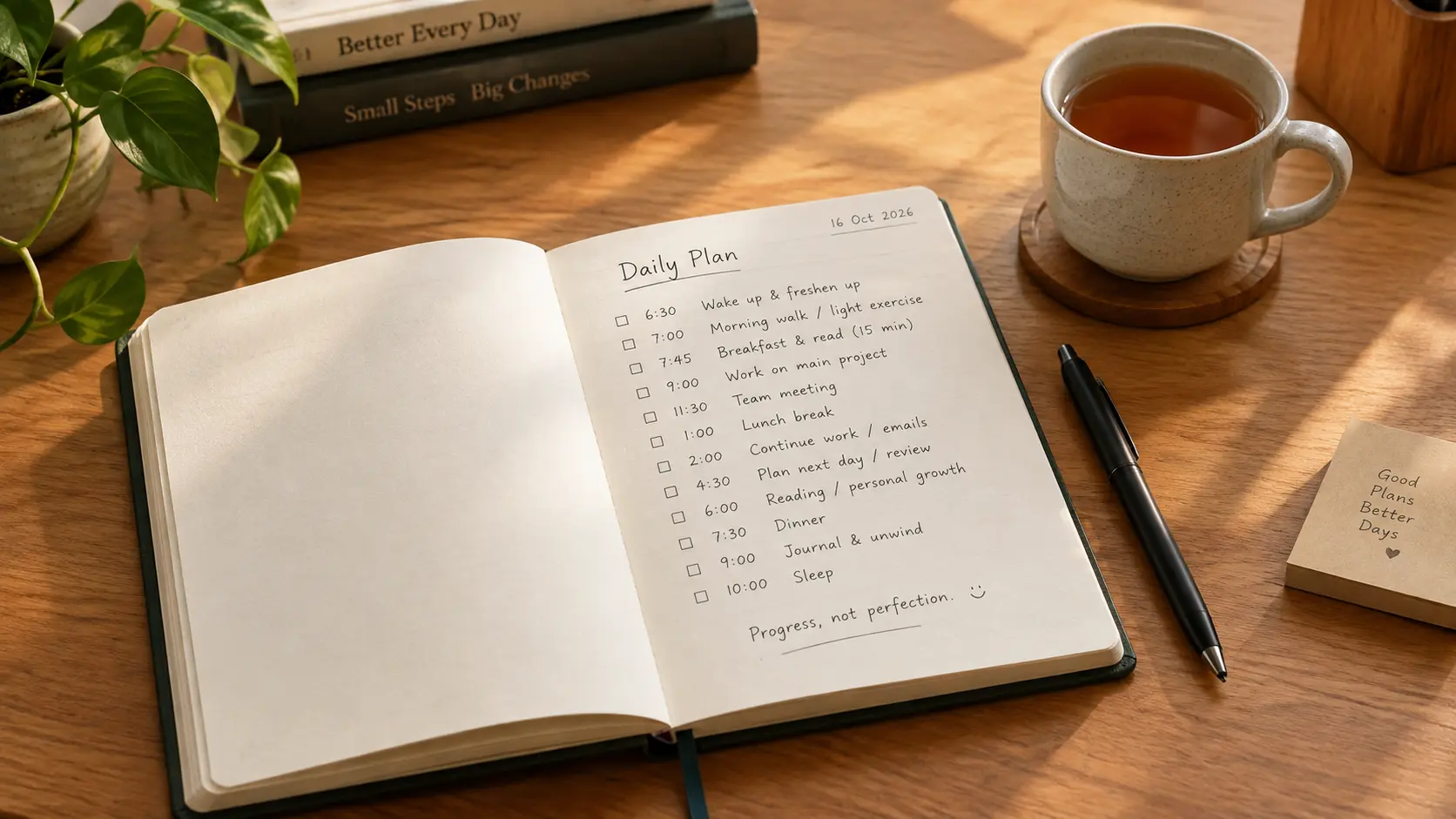
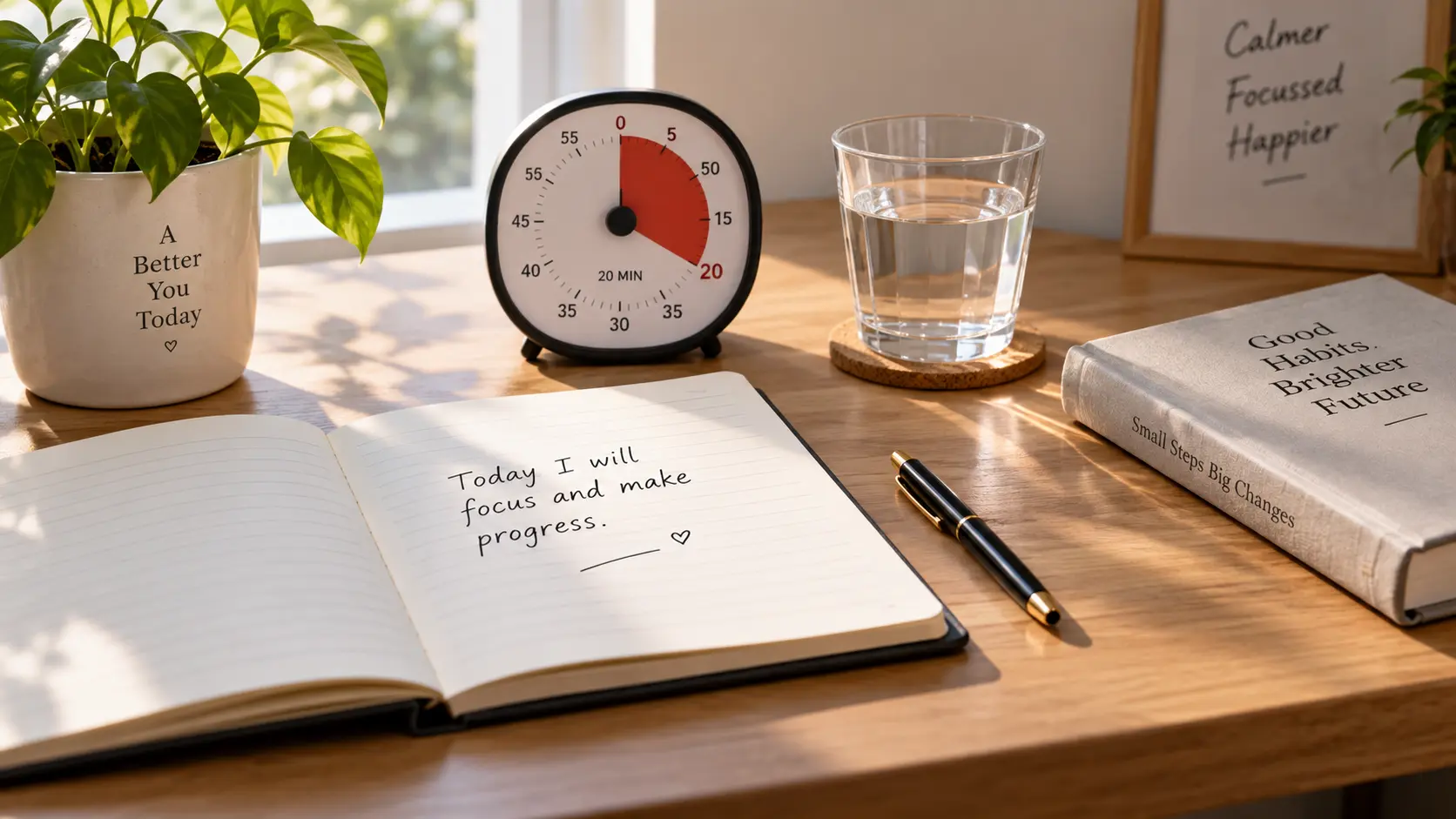
Spend the first few minutes after waking in stillness. Take three slow breaths and set one gentle intention for the day. It could be to listen more carefully or to move with patience. Writing the intention in a small notebook makes it feel real. This soft start creates a calm foundation. The mind feels clearer and more directed. Over time the morning intention becomes a quiet guide for choices throughout the day. It requires almost no time yet shapes the hours that follow. Keep the intention simple and kind. Avoid long lists or high expectations. One clear focus is enough. This habit trains the mind to begin with purpose rather than reaction. The rest of the day often feels lighter as a result.
Practise Daily Reflection
Set aside five minutes each evening to look back on the day. Note one thing that went well and one small area for gentle improvement. Keep the reflection short and free of judgment. A simple notebook or phone note works perfectly. This quiet review builds self-awareness over weeks and months. Patterns become visible without force. You begin to notice what supports you and what drains energy. Reflection turns experience into quiet learning. It prevents the same mistakes from repeating unnoticed. The habit feels like a soft conversation with yourself. Consistency matters more than depth. Even brief notes create valuable insight. Over time the evening reflection becomes a peaceful closing ritual.
Move the Body Gently Every Day
Choose a form of movement that feels good rather than punishing. A short walk, light stretching, or slow yoga is enough. Ten to twenty minutes daily brings steady benefits. Movement clears the mind and releases stored tension. It improves mood and sleep quality in a natural way. There is no need for intense workouts or perfect form. The goal is consistent gentle motion. Link the movement to an existing habit such as after morning coffee or before dinner. This pairing makes the practice automatic. Listen to the body and adjust intensity as needed. On tired days a slower pace is still valuable. Regular movement becomes a form of self-respect. The body feels stronger and the mind clearer with time.

Read or Learn Something Small
Spend ten minutes each day reading or listening to something meaningful. It can be a few pages of a book, a short article, or a thoughtful podcast. Choose material that expands understanding or brings calm. Avoid information that creates urgency or comparison. Small daily learning compounds quietly into greater knowledge and perspective. Keep a simple list of what you have explored. This habit feeds curiosity without overwhelm. It also provides a peaceful break from screens and noise. Over months the mind becomes richer and more resilient. Learning feels like a gentle gift rather than a task. Consistency turns small inputs into lasting growth.
Practise Kind Self-Talk
Notice the inner voice throughout the day. When it becomes critical, soften the words. Replace harsh comments with supportive ones. Speak to yourself as you would to a good friend. This habit reduces unnecessary stress and builds emotional strength. It takes practice because old patterns run deep. Start by catching one critical thought each day and rewriting it gently. Over time the inner dialogue becomes more encouraging. Kind self-talk supports every other improvement effort. It creates an inner environment where growth feels safe. The change is subtle yet powerful. A calmer mind makes better choices and recovers more easily from setbacks.
Limit Digital Noise
Set clear times when phones and screens are put away. Choose one or two hours each day for quiet focus or rest. This boundary protects attention and reduces comparison. The mind feels less scattered and more present. Start with short periods and lengthen them gradually. Use the free time for reading, walking, or simply sitting. Digital limits create space for deeper thoughts and real rest. Many people notice improved sleep and clearer thinking within days. The habit is not about rejecting technology but using it with intention. Soft boundaries bring surprising calm.

Keep a Gratitude Practice
Each evening write three specific things you appreciate. They can be small moments or simple comforts. The act of noticing trains the mind toward what is already good. Gratitude softens stress and increases contentment. Keep the list short and honest. There is no need for grand statements. Over weeks the practice shifts perspective in a quiet way. Difficult days become easier to navigate. The habit takes only a minute yet builds lasting emotional resilience. Gratitude becomes a gentle daily anchor.
Rest Without Guilt
Protect sleep and quiet recovery time. Aim for consistent bed and wake times when possible. Allow short rest periods during the day if needed. Rest is not laziness but essential fuel for improvement. A well-rested mind learns and adapts more easily. Treat rest as a valuable part of the process rather than something to earn. Soft boundaries around sleep support every other habit. The body and mind recover and grow during quiet hours. Prioritising rest is one of the kindest self-improvement choices.
Conclusion
Self improvement habits are quiet companions that shape life over time. They ask for consistency rather than intensity. When practised with gentleness they create steady growth without strain. Each small action compounds into deeper calm, strength, and clarity. The journey becomes sustainable and kind. True improvement feels like coming home to yourself a little more each day.
FAQs
How many habits should I start with?
One or two is ideal so they can settle without pressure.

What if I miss a day?
Simply begin again the next day with kindness.
Do these habits take a lot of time?
Most need only five to fifteen minutes and fit easily into daily life.
How long until I notice change?
Small shifts often appear in two to four weeks of steady practice.
Can I adapt the habits to my lifestyle?
Yes — adjust timing and form so they feel natural and supportive.