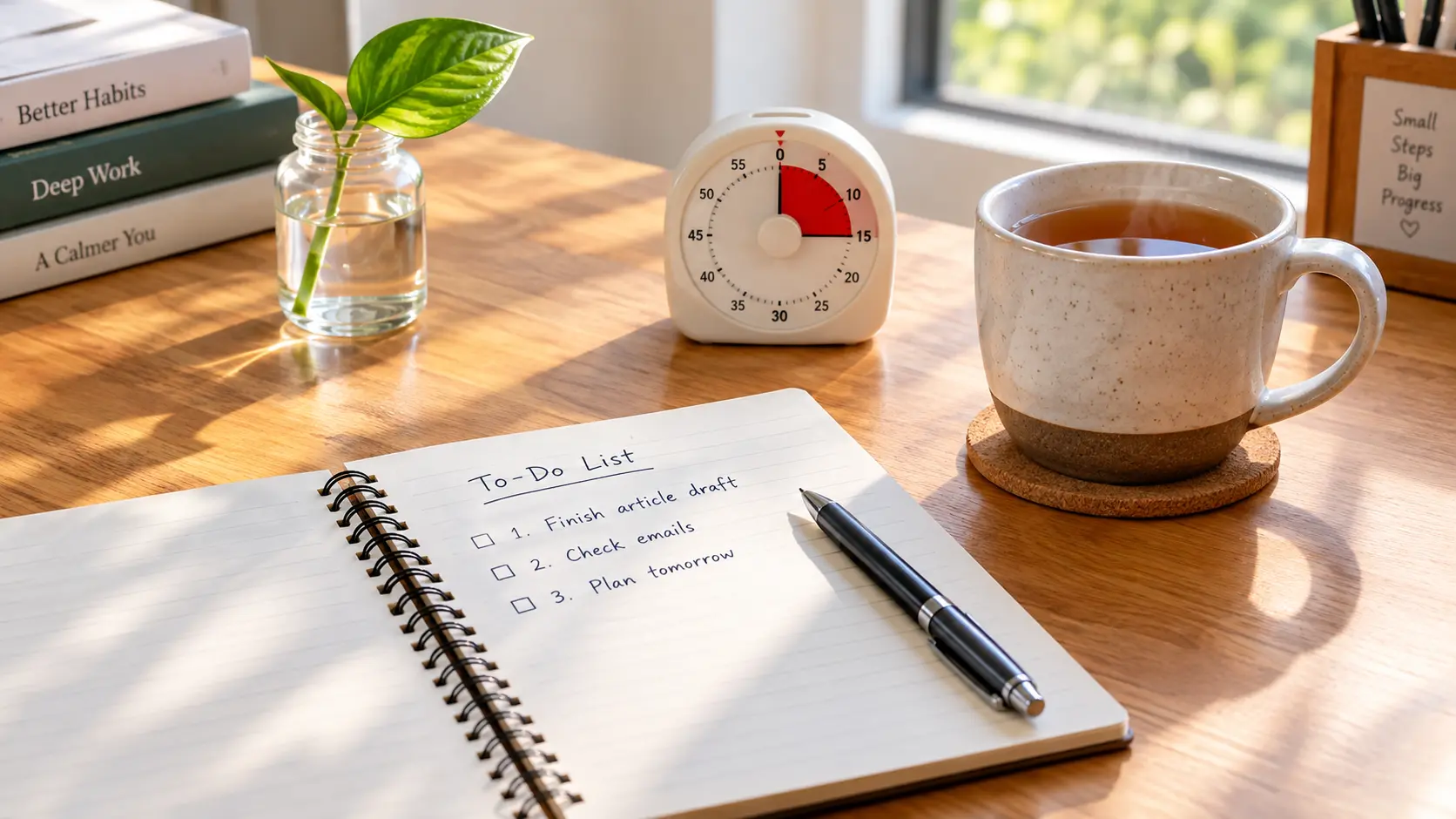
Procrastination is a common and quiet struggle that many people face. It often comes from feeling overwhelmed or unsure where to begin. Reducing it does not require harsh discipline or perfect motivation. Small gentle shifts in approach can make starting feel lighter and more natural. These methods focus on kindness and clarity rather than force. Choose one or two that suit your rhythm and practise them steadily.

Break Tasks into Tiny First Steps
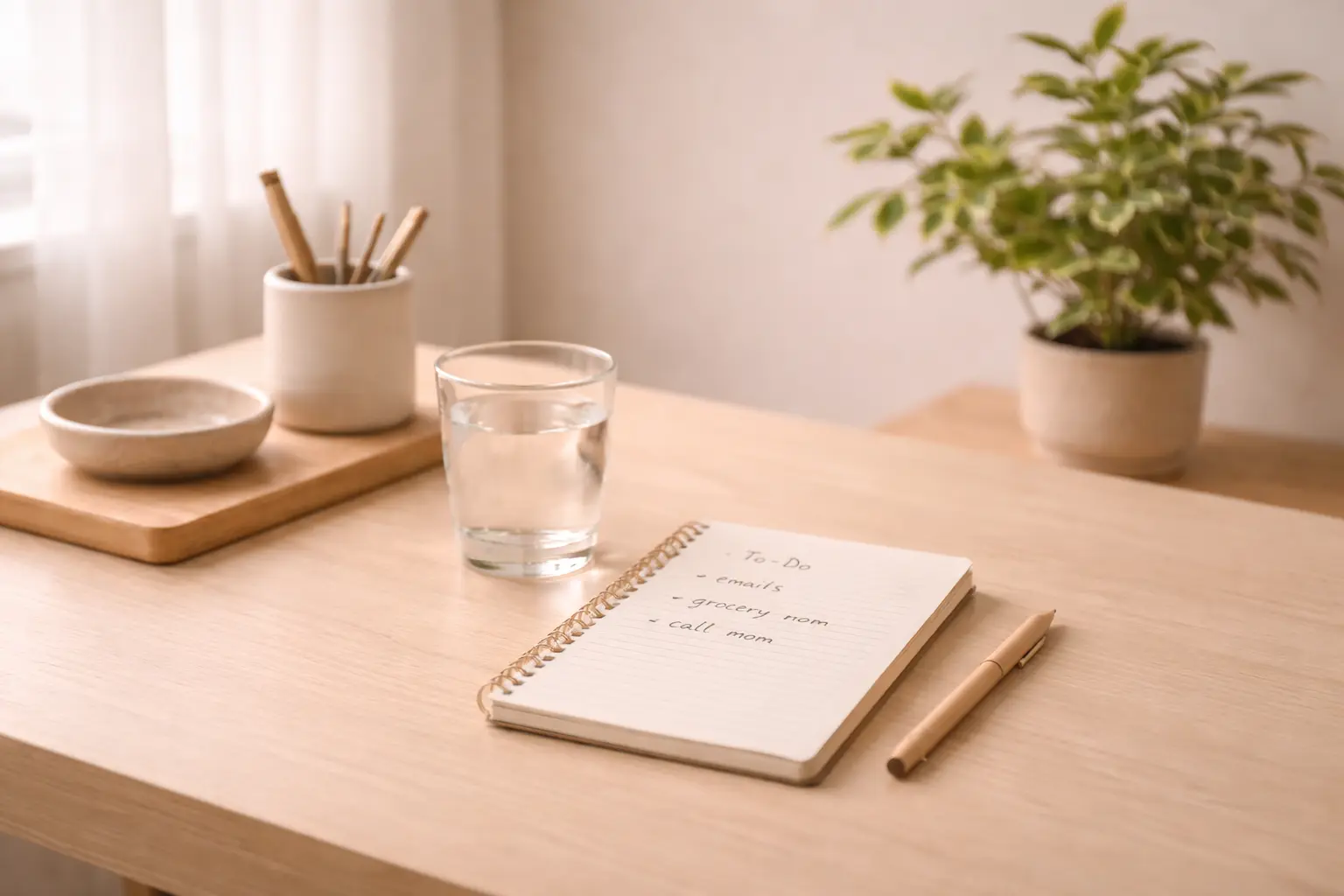
Large tasks feel heavy and easy to avoid. Divide them into the smallest possible first action. Instead of “write the report” begin with “open the document and write one sentence”. The tiny step removes the mental barrier. Once movement starts the next step often follows more easily. Keep the first action so small that it feels almost effortless. This gentle method builds quiet momentum without pressure. Over time the habit of starting small becomes automatic and reliable.
Set a Short Timer for Focus
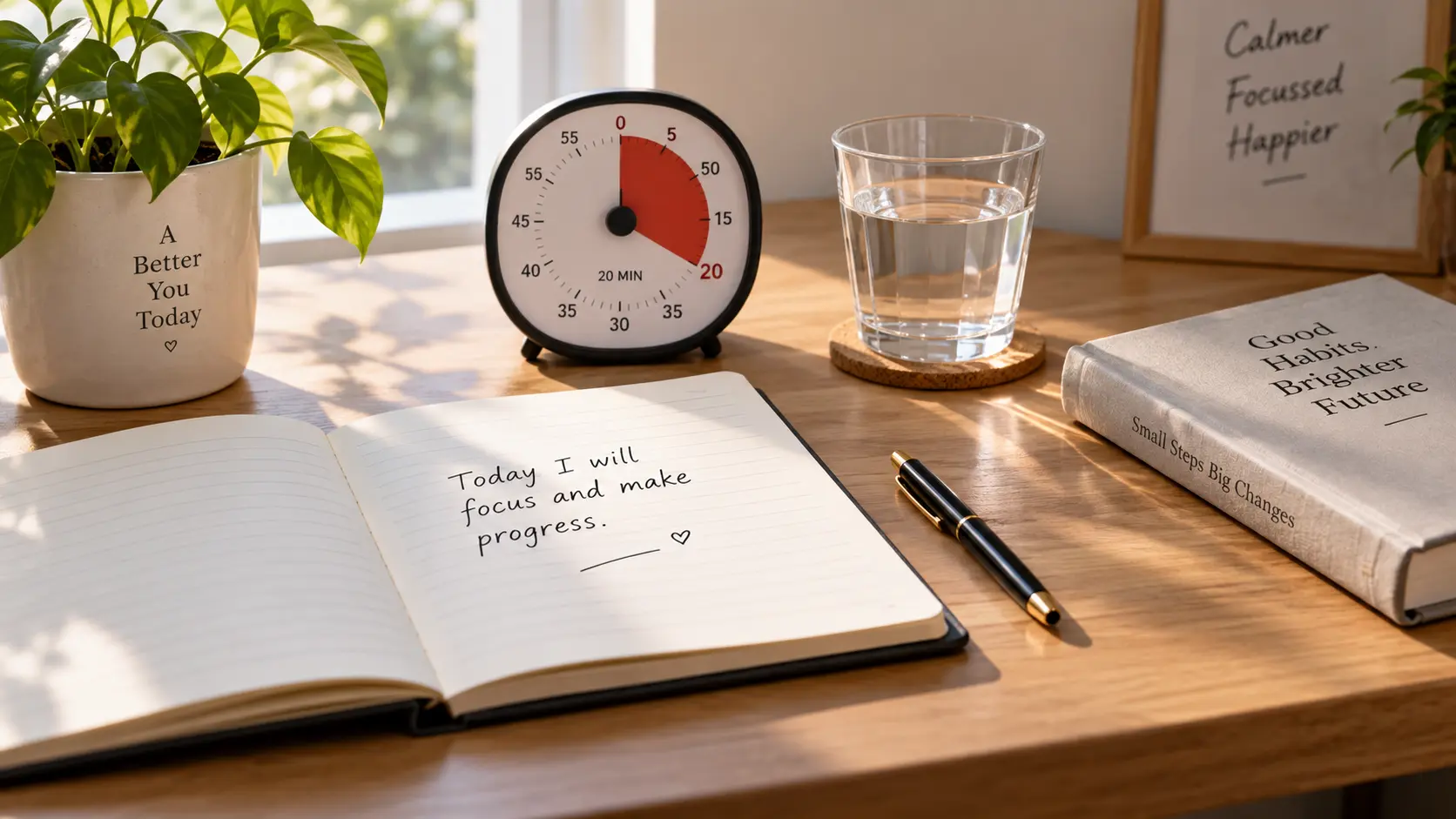
Choose a brief period such as ten or fifteen minutes and work only until the timer ends. Knowing the effort has a clear limit makes beginning less daunting. When the time is up you are free to stop or continue if you wish. This soft structure reduces the fear of being trapped in a long task. Many people find that once the timer starts the resistance fades. The method trains the mind to enter focus mode more willingly. Use it for any avoided activity and adjust the length as comfort grows.
Create a Calm Starting Ritual
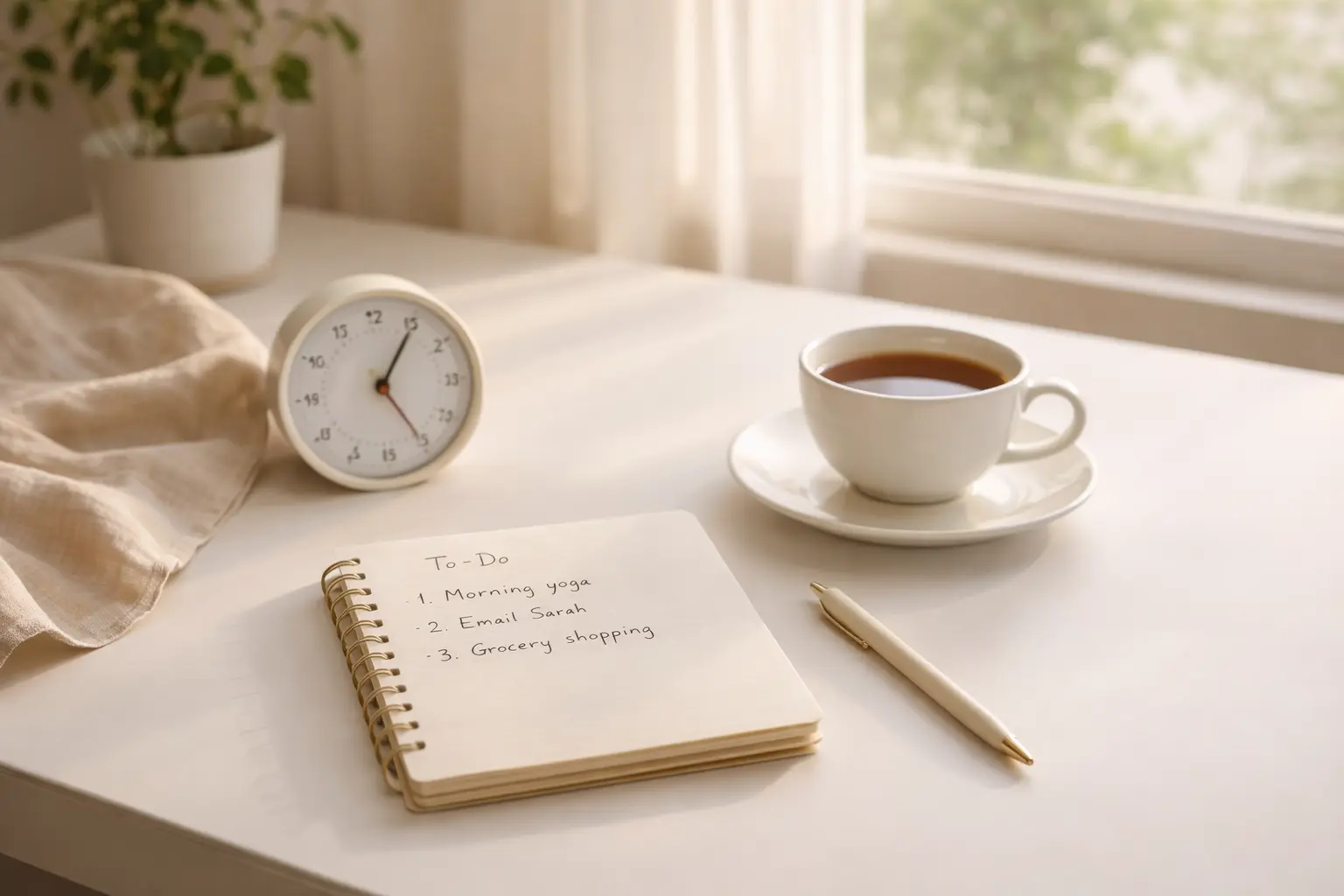
Develop a short sequence that signals the beginning of work. It might be clearing the desk surface making a cup of tea or taking three slow breaths. The ritual becomes a quiet bridge between intention and action. Repeating the same simple steps each time reduces decision fatigue. The mind learns to associate the ritual with focused effort. Keep it brief and pleasant so it feels supportive rather than another chore. Over weeks the ritual itself begins to lower resistance.

Remove Easy Distractionsions Temporarily
Place the phone in another room or turn off notifications for the short focus period. Close extra browser tabs and clear the immediate workspace. External interruptions feed procrastination by offering constant escape. Creating a quieter environment makes staying with the task feel more natural. The change does not need to be permanent or extreme. Even twenty minutes of reduced distraction can shift the pattern. Restore full access afterward so the boundary feels temporary and kind.
Pair the Task with Something Pleasant
Link the avoided activity with a small enjoyable element. Listen to calm music while organising files or work near a window with good light. The pleasant addition softens the emotional weight of the task. It does not need to be elaborate. A favourite drink or comfortable chair can be enough. This gentle pairing makes the experience less aversive and more sustainable. Over time the task itself begins to feel more neutral or even mildly positive.
Notice and Soften the Inner Voice
Procrastination is often accompanied by critical self-talk. When harsh thoughts appear pause and rephrase them with basic kindness. Replace “I always put things off” with “I am learning to start more easily”. The softer language reduces emotional resistance. Self-criticism increases avoidance while self-support makes action feel safer. Practise catching one critical thought each day and rewriting it gently. The inner environment becomes more conducive to steady effort.
Review Progress Without Judgment
At the end of the day note what was started or completed even if it was small. Acknowledge the effort rather than focusing only on unfinished items. This quiet review builds evidence that progress is possible. It counters the tendency to remember only the delays. Keep the reflection brief and factual. Over time the record of small actions strengthens confidence and reduces future hesitation.
Allow Rest as Part of the Process
Procrastination sometimes signals genuine tiredness or overload. Schedule short breaks and protect sleep so energy remains available. A rested mind finds it easier to begin. Rest is not the opposite of productivity but a necessary support. When fatigue is respected the urge to avoid tasks often lessens. Treat recovery as a legitimate part of reducing procrastination.
Conclusion
Reducing procrastination is a gentle practice of making the first step easier and the environment kinder. These approaches replace pressure with support and clarity. When starting feels lighter the cycle of delay begins to loosen. Steady small changes create lasting ease around action. The goal is not perfect productivity but a calmer relationship with the work that matters.
FAQs
What if I still feel resistance?
Make the first step even smaller until it feels manageable.

How long does it take to see change?
Many people notice easier starting within one to two weeks of consistent practice.
Can these methods work for big projects?
Yes — break the project into a series of tiny starts.
What if I procrastinate on important tasks?
Begin with the smallest possible action related to that task.
Is some procrastination normal?
Yes — the aim is to reduce the pattern that causes stress not to eliminate every delay.