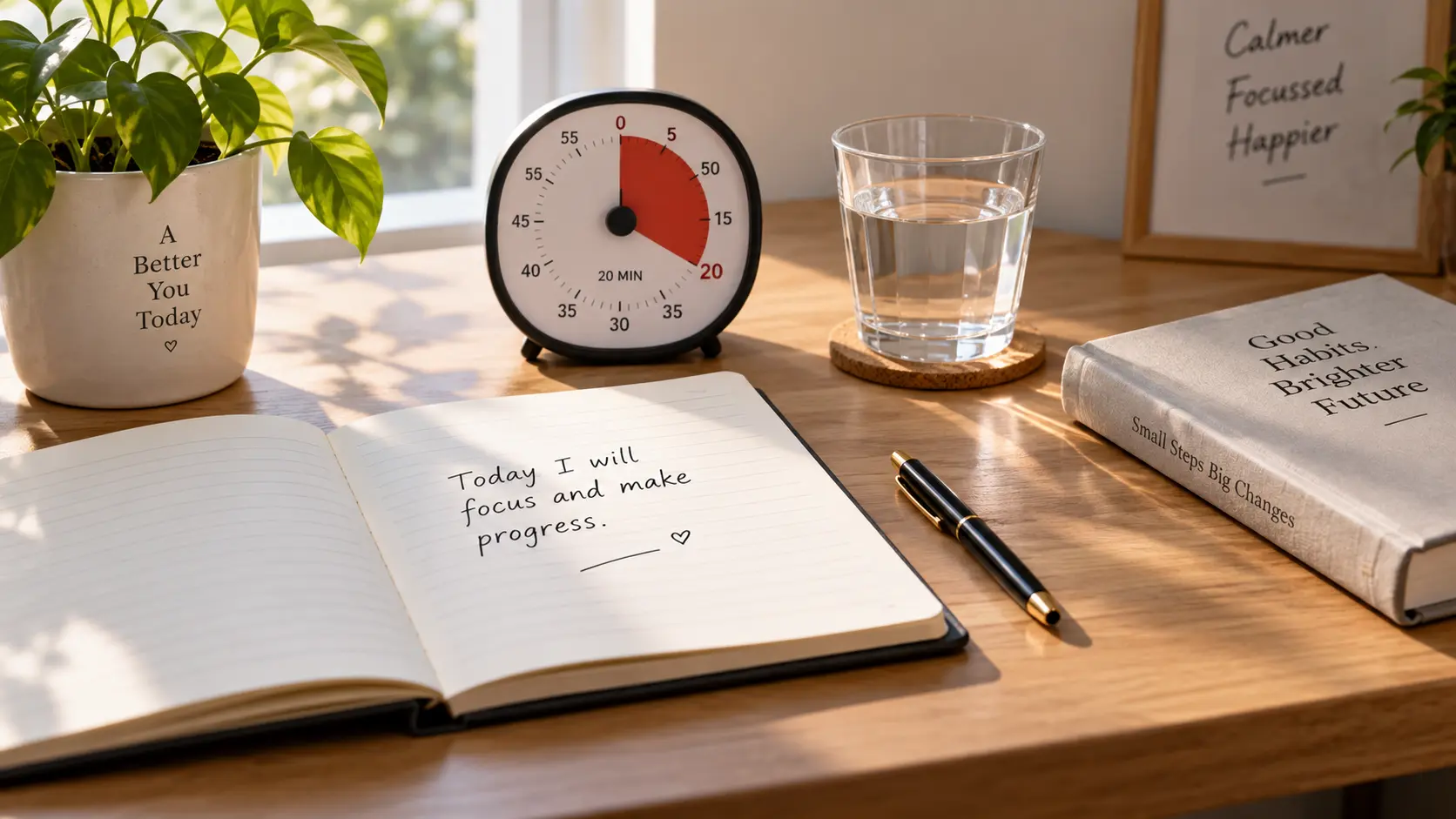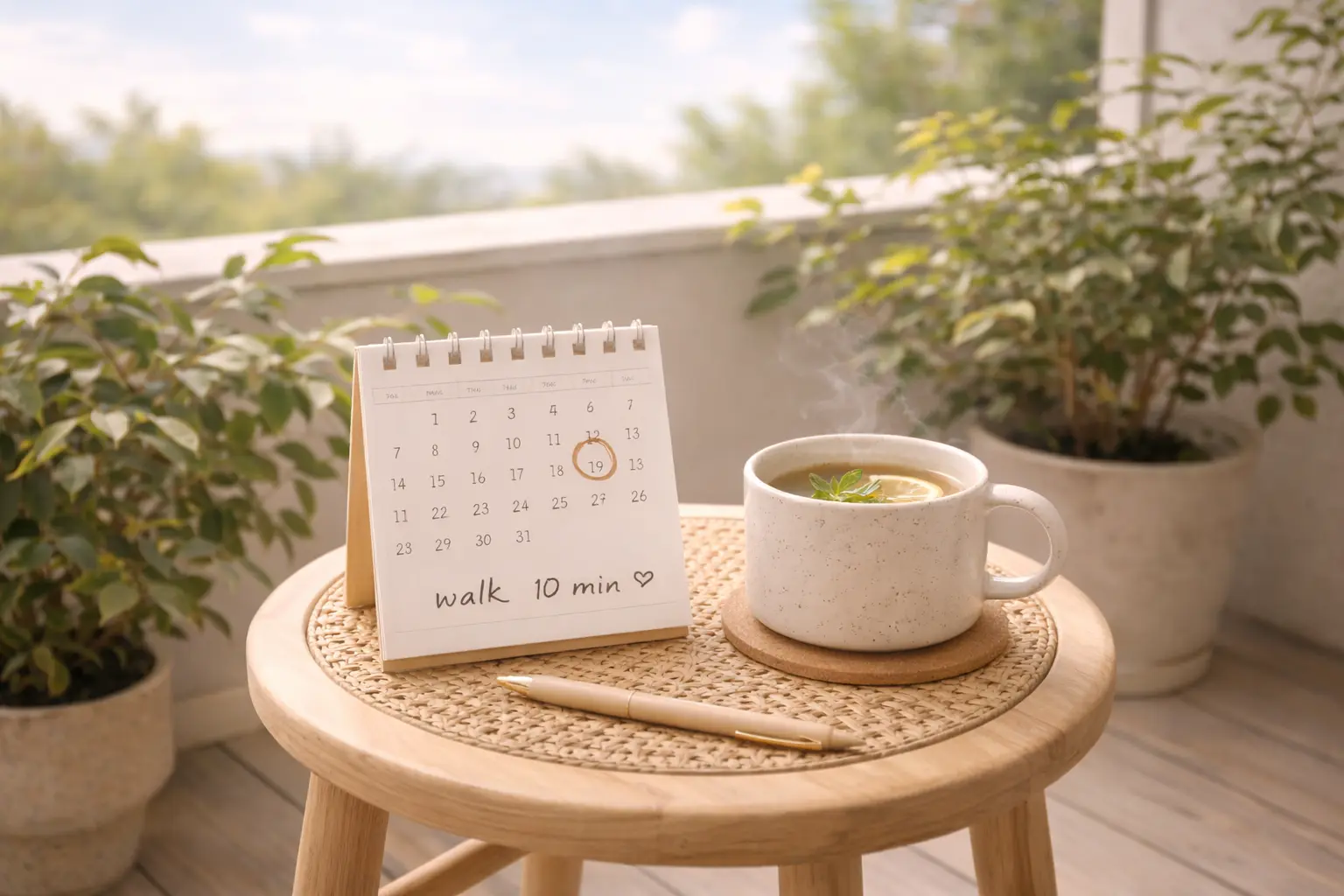
A notebook can become a quiet and reliable planning tool when used with a simple consistent method. Paper removes digital distractions and creates a private space for thoughts and tasks. A smart system keeps the pages useful without turning them into another source of pressure. These principles work with any notebook size or style. The goal is clarity and gentle structure rather than perfection.

Choose One Dedicated Notebook
Select a single notebook that feels pleasant to open and write in. It should be durable enough for daily use and the right size to carry if needed. Dedicate this notebook only to planning and reflection so its purpose remains clear. Avoid spreading notes across multiple books or loose papers. One focused place reduces the chance of losing important thoughts. The physical object itself becomes a calm signal that planning time has begun.
Create a Simple Opening Layout
On the first pages write a short index or contents list. Leave space to add page numbers and brief titles as the notebook fills. This light structure makes later reference easy without complicated systems. Number the pages as you go if the notebook does not already include them. A basic index turns a collection of notes into something searchable. The effort is small yet the benefit grows over time.
Capture Tasks and Ideas Quickly
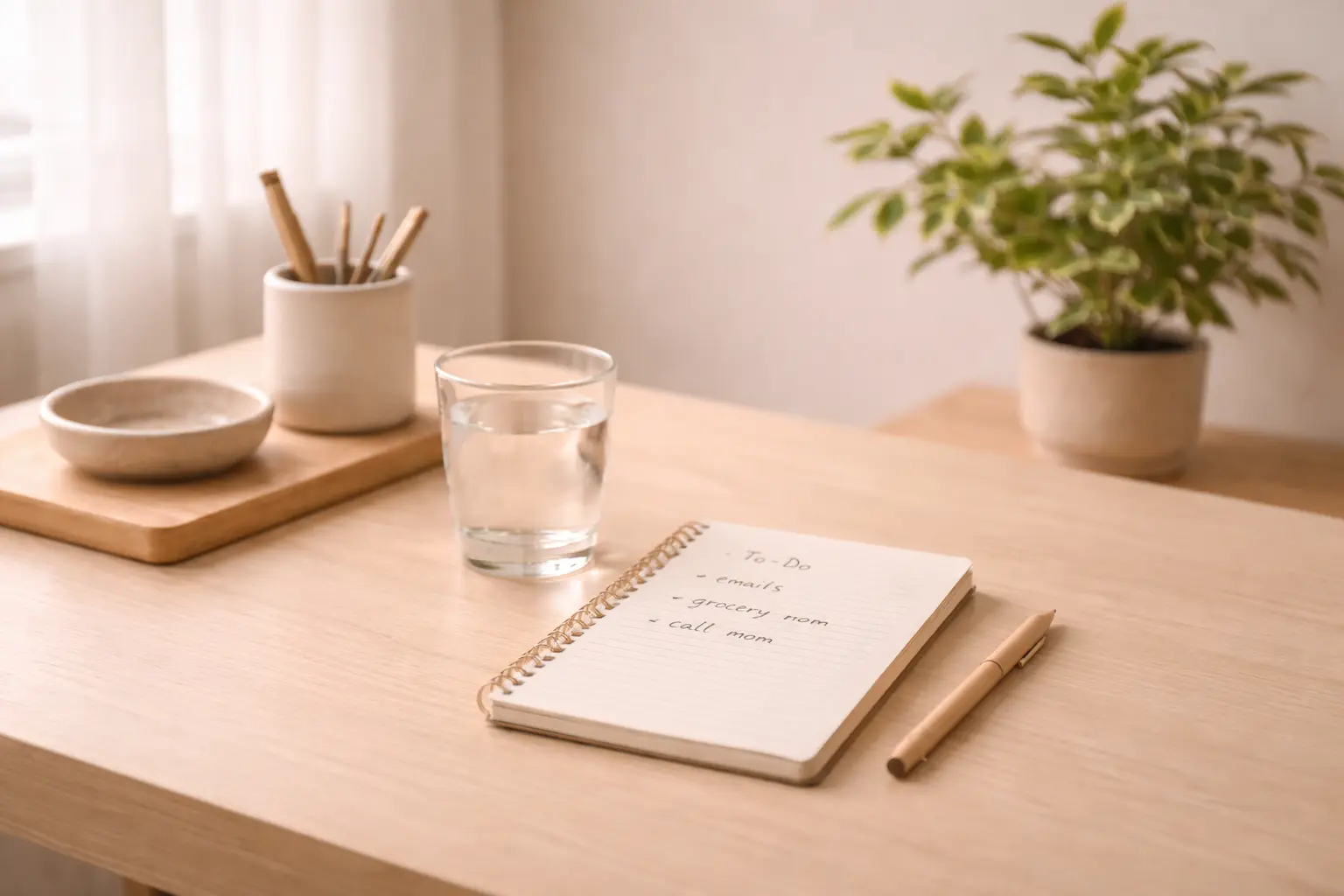
Keep a running list of tasks and incoming ideas on the next available pages. Write each item as a short clear line. Do not organise heavily at the moment of capture. The purpose is to empty the mind onto paper so attention can return to the present. Review the capture list once or twice a day and decide what belongs in the current plan. This separation of capture and organisation prevents the notebook from becoming cluttered.

Plan the Day with a Light Structure
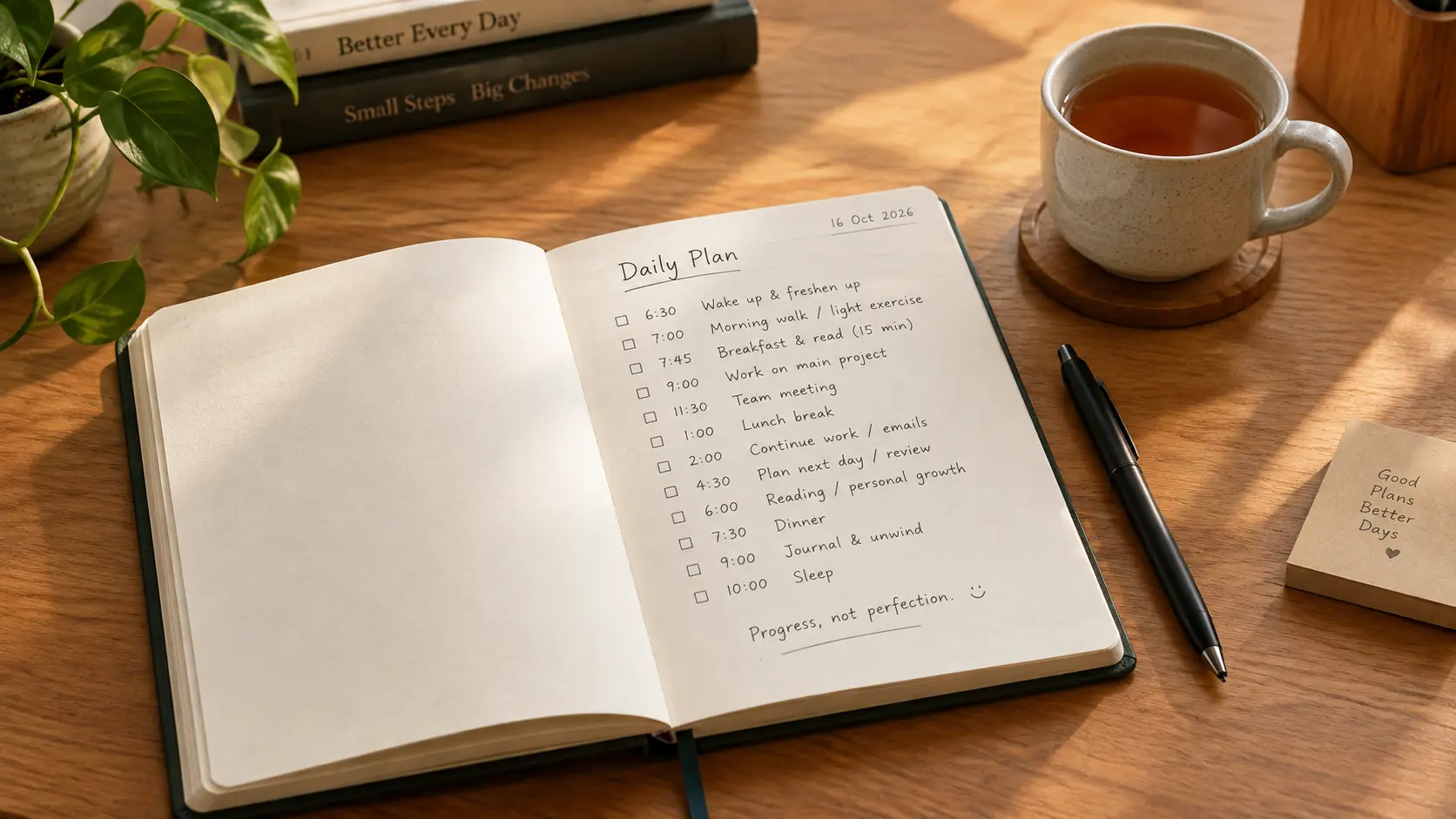
Each morning or the evening before write the date and list three to five main items for the day. Keep the list short so it remains realistic. Leave space beside each item for a simple mark when completed. Add any fixed appointments or time-sensitive notes. A limited daily plan reduces decision fatigue and creates a clear focus. The rest of the page can hold smaller notes or reflections that arise during the day.
Use Weekly Overview Pages
Once a week create a single page that shows the coming seven days in brief. Note any larger goals or deadlines for the week. This overview helps distribute effort and prevents important items from being forgotten. Keep the format simple — perhaps a short list under each day or a few key priorities for the whole week. The weekly page acts as a gentle bridge between daily tasks and longer intentions.
Review and Reflect Regularly
At the end of the day or week take a few minutes to look back. Note what was completed and what moved forward. Capture any lessons or adjustments in a short reflection. This practice turns the notebook into a learning tool rather than only a task list. Reflection also provides a sense of continuity and quiet accomplishment. Over time the collected pages become a personal record of progress and patterns.

Keep the System Flexible
Allow the notebook method to adapt as needs change. Some weeks may require more structure while others feel better with lighter notes. Avoid rigid rules that create resistance. The best system is the one that continues to be used. If a particular layout stops feeling helpful simply adjust it on the next pages. Flexibility keeps the notebook supportive rather than demanding.
Pair the Notebook with a Few Simple Tools
A reliable pen that writes smoothly and a small ruler or bookmark can make the experience more pleasant. Some people add a light pencil for temporary notes. These tools should remain minimal so they do not become another layer of complexity. The notebook itself remains the central element. Comfortable writing materials encourage consistent use.
Store Completed Notebooks Thoughtfully
When a notebook is full date the cover or first page and store it in a accessible place. Older volumes can be useful for reference or for noticing longer-term patterns. There is no need to keep every notebook forever — review and release those that no longer serve. The act of completing and setting aside a full notebook provides a quiet sense of closure.
Conclusion
A smart notebook planning system rests on simplicity consistency and gentle review. It creates a private space where tasks ideas and reflections can live without digital noise. When the method stays light and adaptable the notebook becomes a trusted companion rather than another obligation. Paper planning supports clear days and steady progress through quiet daily attention. The system works best when it feels like a natural extension of thought rather than a set of strict rules.

FAQs
What size notebook is best?
Choose the size you will actually carry and open daily — many people prefer A5 or similar.
Should I use a lined or blank notebook?
Either works — lined pages support lists while blank pages allow freer layouts.
How do I avoid filling pages with clutter?
Separate quick capture from daily planning and review regularly.
Can this replace digital tools completely?
It can for many people though some still use digital calendars for shared appointments.
What if I miss a few days?
Simply begin again on the next page without self-criticism.