Dinner can remain satisfying and calm even when the budget is modest. The most reliable meals rely on simple ingredients that stretch well and require little specialised equipment. These ideas focus on flavour and ease rather than elaborate techniques. They work with what is already in the cupboard or can be bought inexpensively. A thoughtful approach to evening meals reduces both cost and daily decision fatigue.

One-Pot Pasta with Vegetables
Place dried pasta in a wide pan with enough water or stock to cover. Add chopped onion garlic and any available vegetables such as spinach tomatoes or frozen peas. Season lightly and simmer until the pasta is tender and the liquid has mostly reduced. Finish with a spoon of oil or a little grated cheese if desired. The starch from the pasta creates a light natural sauce. This method needs only one pan and uses ingredients that keep well. Leftovers reheat gently the next day.
Lentil and Vegetable Stew
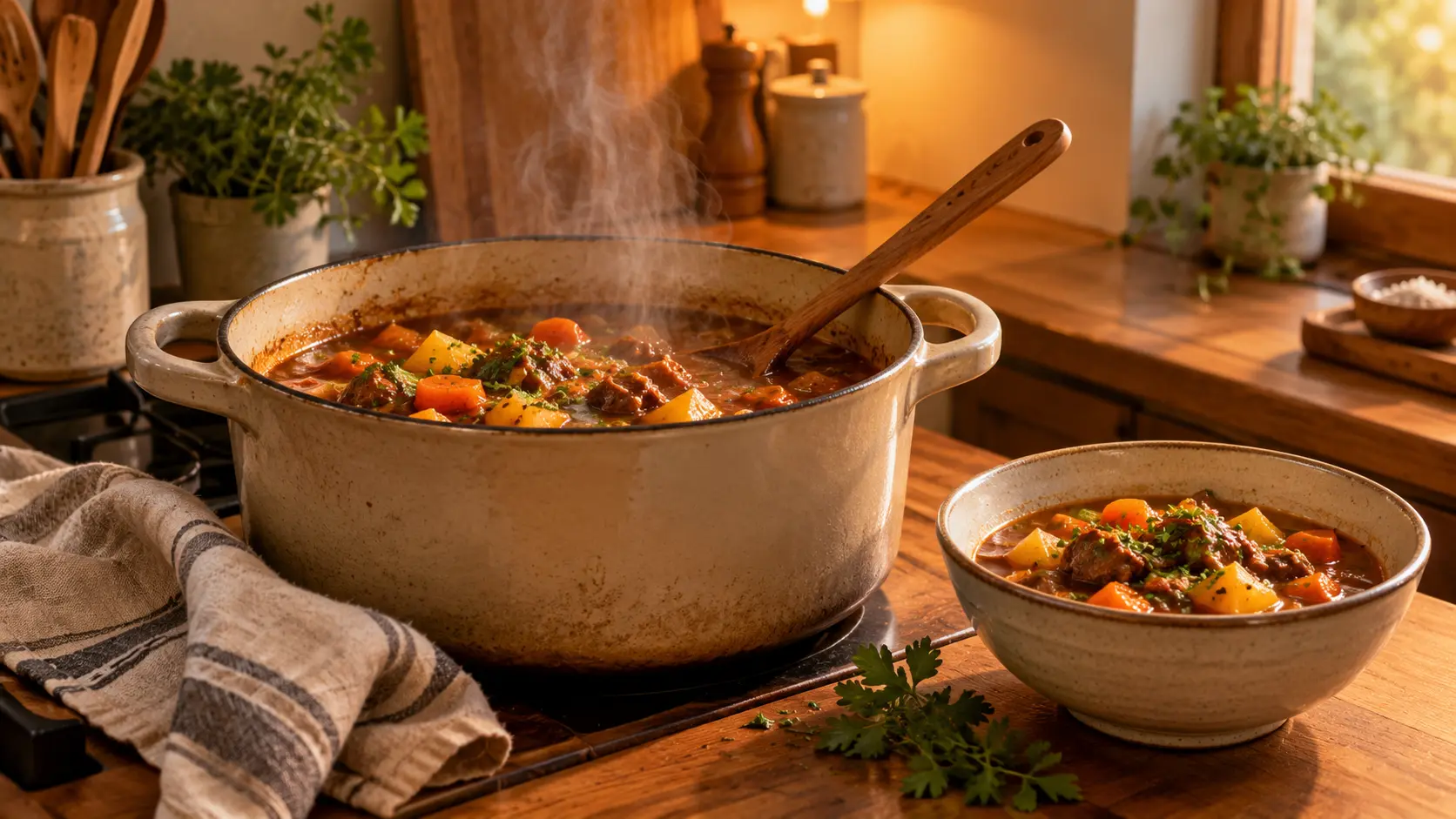
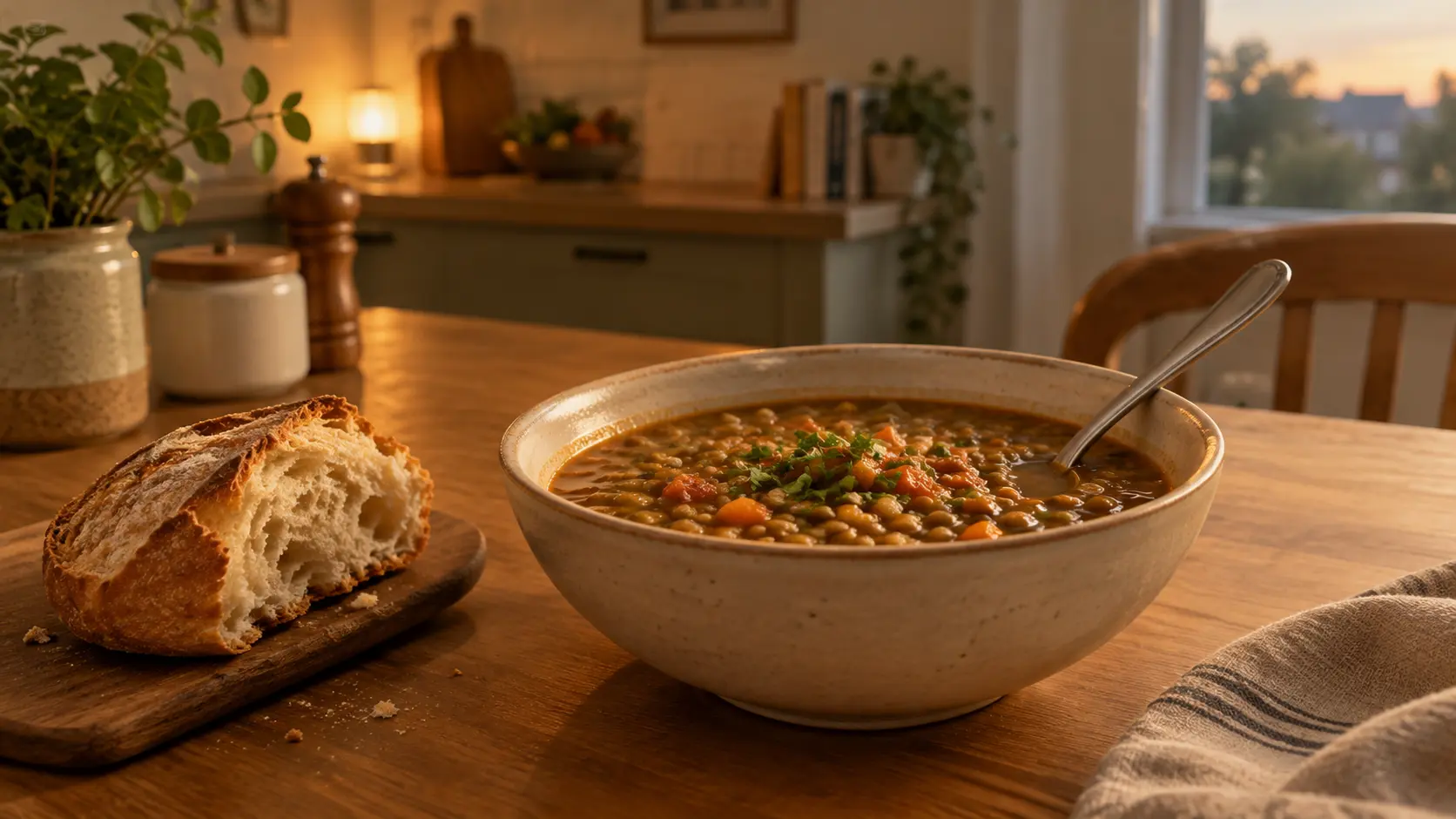
Rinse a portion of dried lentils and place them in a pot with chopped carrot onion and celery. Cover with water or stock and add a bay leaf or simple dried herbs. Simmer until the lentils are soft and the mixture has thickened. Adjust the seasoning near the end. Lentils are inexpensive and need no soaking when red or split varieties are used. The stew feels substantial and improves in flavour after resting. Serve with bread or a small portion of rice if wanted.
Egg-Based Suppers
Scramble or fry eggs and serve with toast sautéed vegetables or leftover potatoes. An omelette filled with whatever vegetables or cheese are on hand makes a complete meal in minutes. Eggs cook quickly and provide reliable protein at low cost. Keep a few always available for evenings when energy or time is limited. Simple seasoning is usually enough. These meals feel comforting and require almost no planning.

Rice and Bean Combinations
Cook a pot of plain rice and warm a tin of beans with onion garlic and spices. Combine them in a bowl and add any available vegetables or a spoon of yogurt. Rice and beans together create a balanced and filling plate. Both ingredients store well and cost little. The combination can be varied with different seasonings or whatever is seasonal. Leftover rice can be used the next day for a second meal.
Vegetable Stir-Fry with Noodles or Rice
Heat a little oil in a wide pan and cook sliced vegetables until just tender. Add cooked noodles or leftover rice and season with soy sauce or salt and pepper. A fried egg on top adds substance if desired. This approach uses whatever vegetables are available and turns them into a complete dish quickly. Frozen vegetables work well when fresh options are limited. The method is flexible and fast.
Baked Potatoes with Simple Toppings
Bake potatoes until soft and serve with beans cheese yogurt or leftover vegetables. The oven does most of the work while other tasks are completed. Potatoes are inexpensive and filling. A few different toppings keep the meal from feeling repetitive. This option requires almost no active cooking once the potatoes are in the oven. It suits evenings when attention is needed elsewhere.

Soup from Available Ingredients
Simmer chopped vegetables with water or stock and blend or leave chunky. Add lentils rice or pasta shapes to make the soup more substantial. A simple soup uses up vegetables that might otherwise be wasted and creates several portions. Seasoning can be kept minimal. The pot can sit on a low heat while other things are prepared. Soup freezes well if more is made than needed.
Using Leftovers Creatively
Transform previous meals into new ones by adding a different grain fresh herbs or a simple sauce. Roast vegetables can become a salad or a soup. Cooked grains can be fried with an egg and vegetables. Treating leftovers as ingredients rather than repeats reduces waste and cost. A small amount of planning when cooking larger batches supports later meals. This habit keeps the kitchen economical and practical.
Building a Basic Store Cupboard
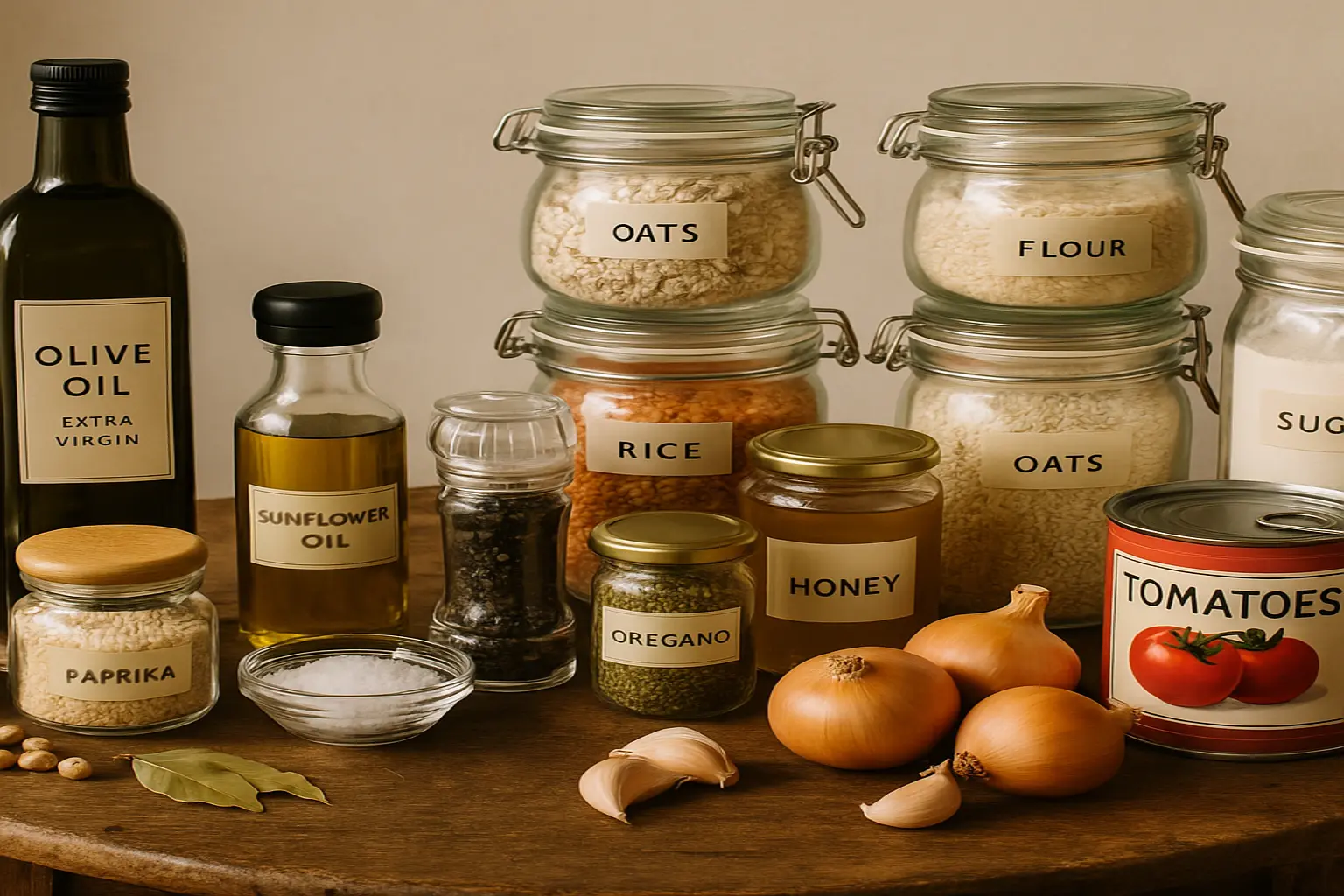
Keep dried pasta rice lentils tinned tomatoes and beans on hand. Onions garlic and a few dried herbs form a quiet foundation for many meals. These items have long shelf lives and form the base of the ideas above. Buying them when they are reasonably priced supports future convenience. A modest store cupboard removes the need for frequent emergency purchases.
Conclusion
Budget-friendly dinner ideas centre on simple ingredients flexible methods and the thoughtful use of what is already available. They create nourishing evening meals without requiring large amounts of money or time. When the approach stays calm and practical dinner becomes a steady point in the day rather than a source of pressure. These meals support both the body and the household resources. A few reliable patterns are enough to keep evenings straightforward and satisfying.

FAQs
How can I keep meals interesting on a budget?
Vary seasonings and use seasonal vegetables to create quiet differences.
Are tinned and frozen foods acceptable?
Yes — they are practical nutritious and often more economical.
What if I have limited cooking equipment?
One-pot and tray-based methods work with basic pans and an oven.
How do I reduce food waste?
Cook once and use leftovers creatively across the next day or two.
Can these ideas work for more people?
Yes — the quantities scale easily and remain economical.