Small rooms benefit from furniture that works harder without demanding more floor space. Clever pieces combine function with a light visual presence so the room still feels open and calm. These solutions focus on multi-use design and thoughtful proportions rather than complicated mechanisms. They help a compact space support daily life without feeling crowded. Choose items that solve a clear need and keep the overall look simple.

Sofa Beds or Daybeds with Clean Lines
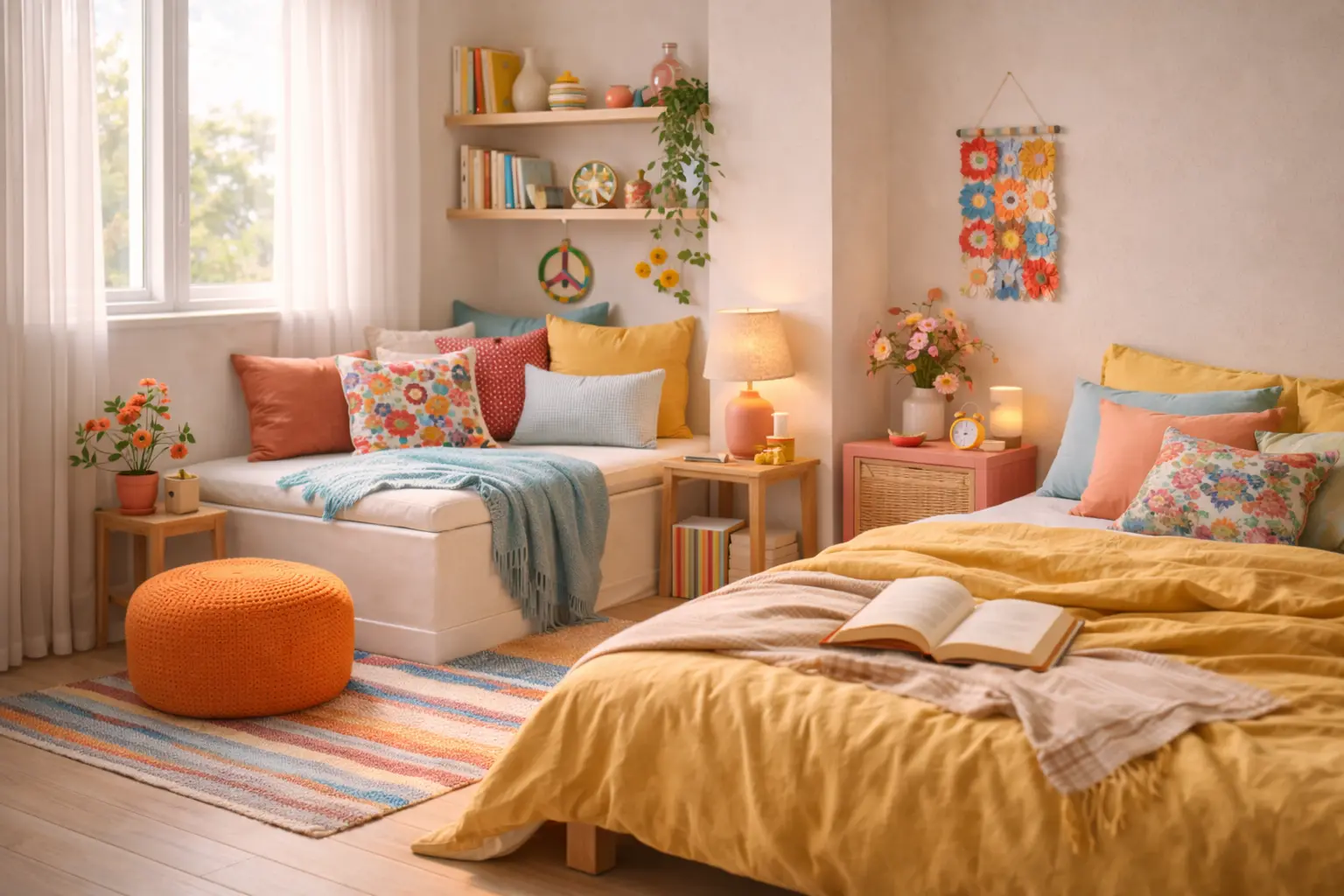
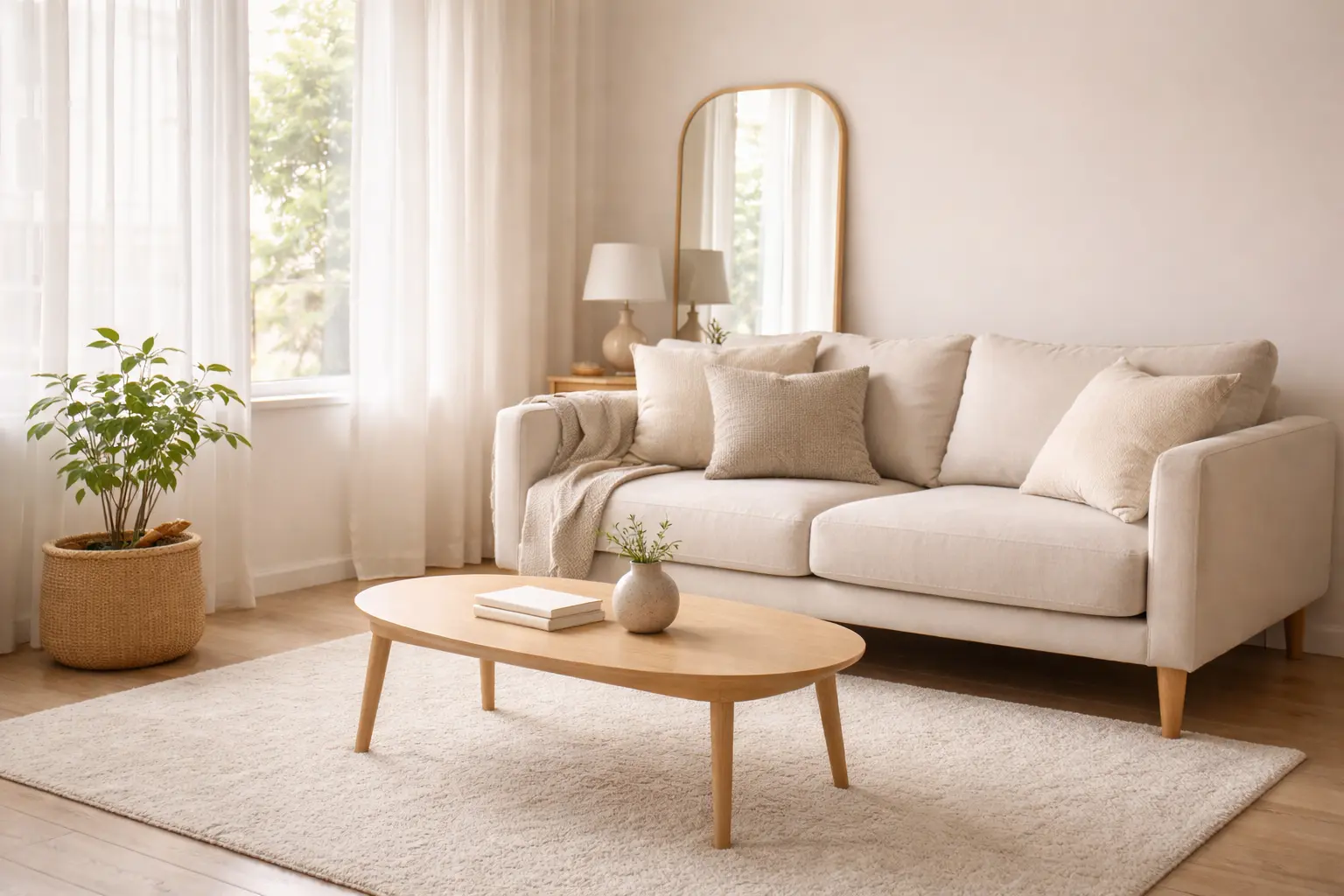
A well-designed sofa bed or daybed serves as seating by day and a sleeping surface by night. Look for models with straightforward conversion and a mattress firm enough for occasional use. Clean legs and a simple silhouette keep the piece from dominating the room. When the bed is not needed the sofa returns to its everyday role. This dual function removes the need for a separate guest bed and frees valuable floor area.
Nesting Tables or Stackable Side Tables
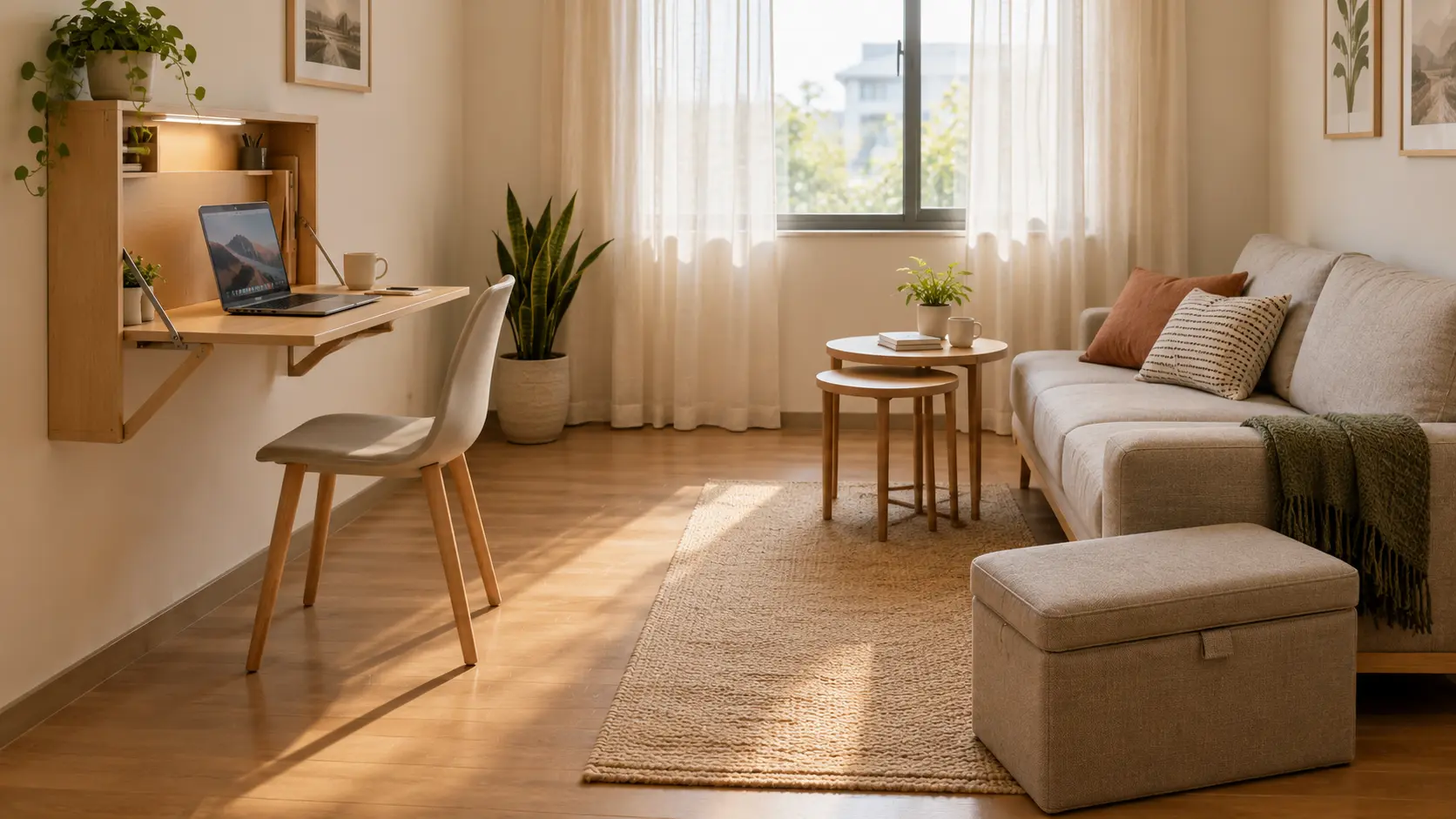
A set of nesting tables provides surface space when required and tucks away when not. The smaller tables slide under the larger one creating a single compact footprint. Choose light materials and simple shapes so the tables remain visually quiet. They can hold a lamp a book or a cup of tea and then disappear again. This flexibility is especially useful in living areas where surface needs change throughout the day.
Wall-Mounted or Fold-Down Desks
A desk that folds against the wall or mounts permanently as a slim surface frees floor space when work is finished. Look for sturdy hinges and a depth that accommodates a laptop and a notebook. When closed the desk becomes a shallow shelf or simply disappears into the wall plane. This solution works well in bedrooms or studio apartments where a full desk would feel heavy. The room recovers its open character at the end of the work period.
Storage Ottomans or Benches
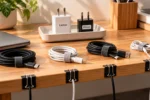
An ottoman or bench with a lift-up lid offers seating and hidden storage in one piece. Use it to hold blankets pillows or seasonal items. Place it at the foot of the bed or as extra seating in the living area. The dual role keeps clutter out of sight while still providing a useful surface or seat. Choose a size that fits the room scale so the piece feels intentional rather than bulky.
Beds with Under-Storage Drawers
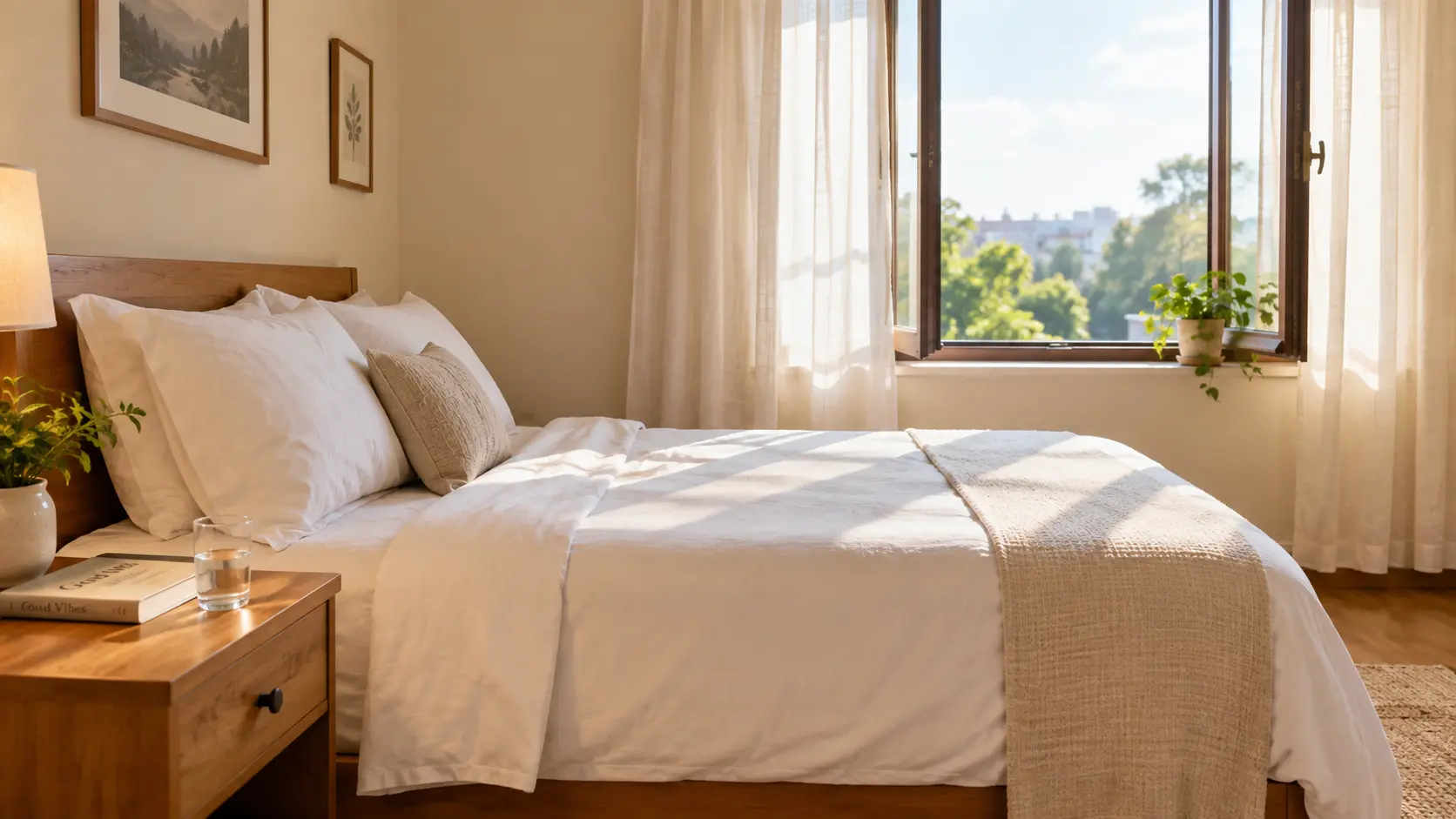
A bed frame that includes drawers or a lift-up base uses the space under the mattress for clothes linens or rarely needed items. This removes the need for an extra chest of drawers in a small bedroom. The storage remains accessible yet invisible. Look for smooth runners and a design that does not raise the mattress uncomfortably high. Under-bed storage is one of the most efficient ways to reclaim floor area.
Slim Console Tables or Drop-Leaf Tables
A narrow console table against a wall can serve as a desk dining surface or display area without projecting far into the room. Drop-leaf tables expand only when needed and fold back to a shallow profile. These pieces adapt to changing uses while maintaining a light footprint. They work especially well in rooms that must serve more than one function during the day.
Open Shelving with a Light Appearance
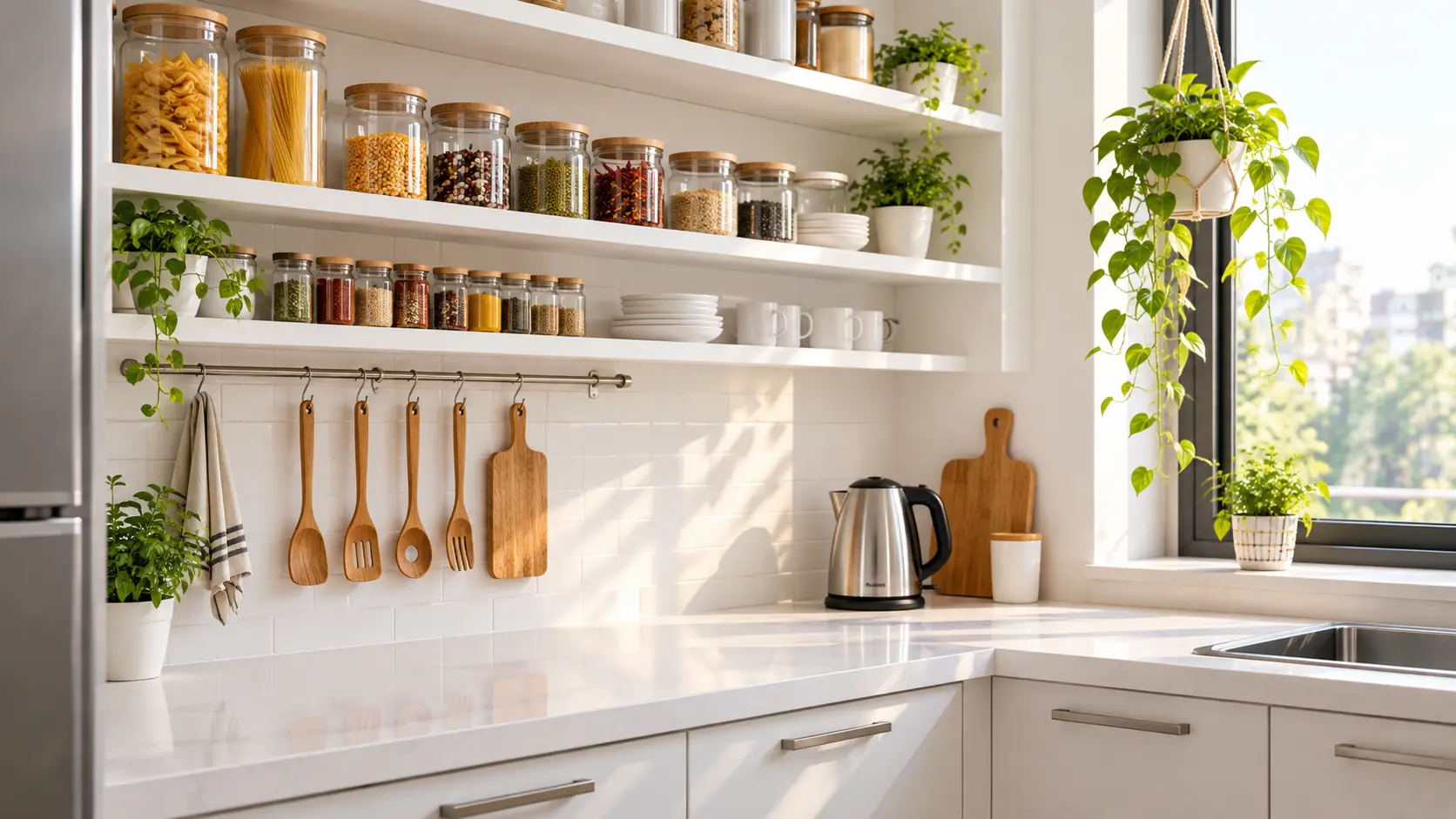
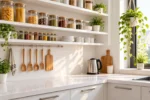
Tall open shelves draw the eye upward and provide storage without the visual weight of closed cabinets. Keep the styling sparse so the shelves do not feel crowded. Use them for books a few dishes or carefully chosen objects. The vertical emphasis makes the room feel higher and more open. Open shelving also makes everyday items easy to reach and return.
Folding or Stacking Chairs
A small set of folding or stacking chairs can be brought out for guests and stored in a closet or against a wall when not required. Choose designs that fold flat or stack neatly so they occupy minimal space. This approach allows a compact room to accommodate more people occasionally without permanent extra seating. The chairs remain available yet do not crowd daily life.
Multi-Functional Room Dividers
A low bookshelf or open screen can separate zones in a studio while still allowing light to pass through. The divider itself provides storage or display space. This creates psychological separation without solid walls that would shrink the sense of volume. Keep the design open and light so the room retains its overall openness.
Conclusion
Clever space-saving furniture supports small rooms by combining uses and respecting the available floor area. The best pieces remain visually quiet while solving practical needs. When furniture works efficiently the room feels calmer and more intentional. Choosing a few well-considered multi-use items often creates more breathing space than filling the room with single-purpose pieces. A compact room can still feel generous when every object earns its place.

FAQs
Do space-saving pieces feel less comfortable?
Not when well chosen — prioritise good seating and sleeping surfaces.
Is it better to buy multi-functional furniture?
Only when the second function will actually be used regularly.
How do I avoid a cluttered look?
Keep surfaces clear and limit the total number of pieces.
Can these ideas work in rented rooms?
Yes — many solutions require no permanent installation.
What should I prioritise first?
Address the largest need such as seating or storage before adding smaller items.