Stress is a common part of daily life, yet small techniques can create meaningful relief. These methods are gentle, practical, and available to almost anyone. They require little time and no special equipment. The focus is on calming the nervous system and creating brief moments of ease. Choose one or two that feel natural and practise them consistently.
Slow Breathing for Immediate Calm
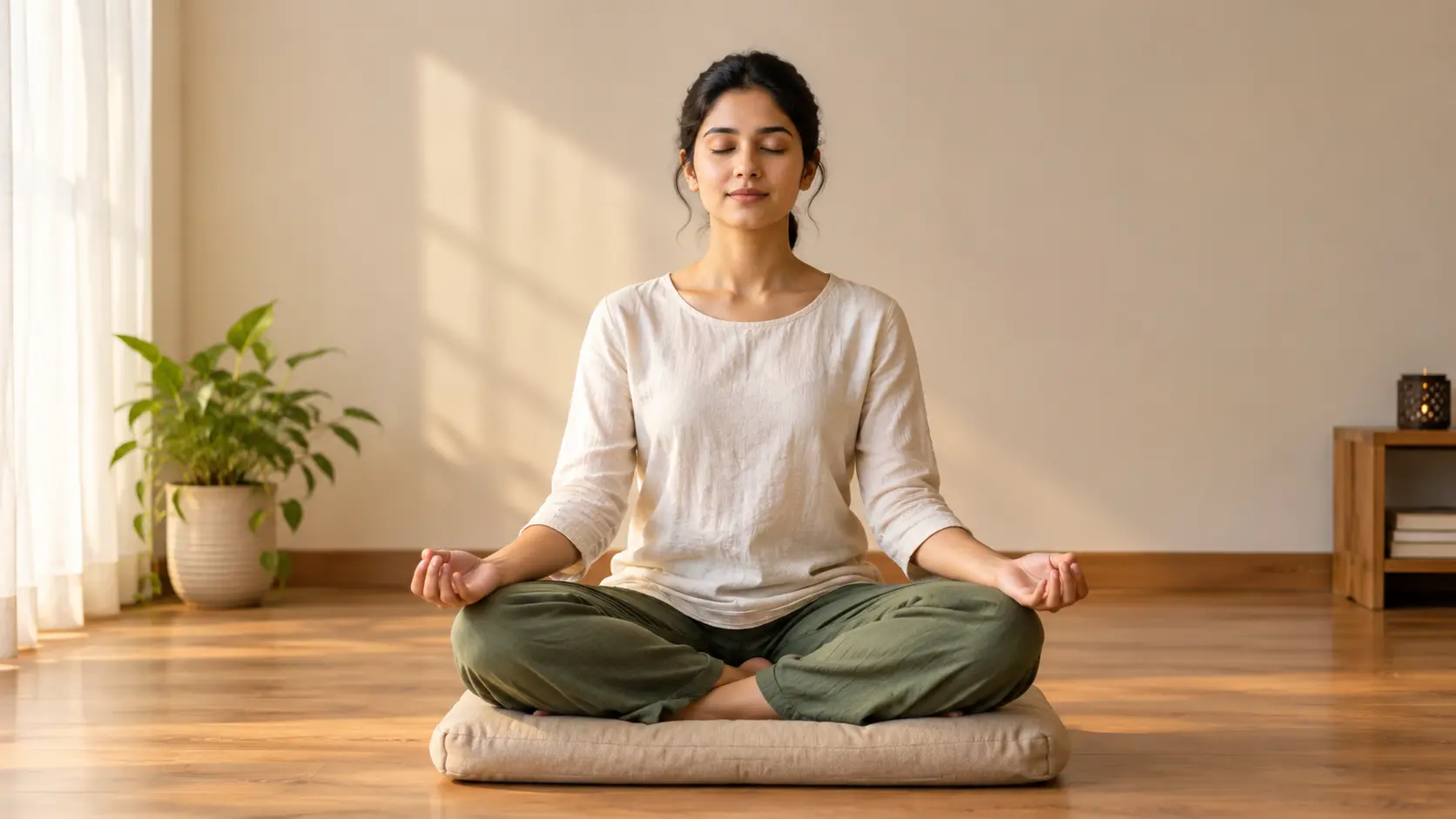
Sit or stand comfortably and bring attention to the breath. Inhale gently through the nose for a count of four. Exhale slowly for a count of six or seven. Keep the breath smooth and quiet. Continue for one to three minutes. The longer exhale signals safety to the body and often reduces the intensity of stress. This technique can be used anywhere — at a desk, in a queue, or before sleep. With regular practice the body begins to settle more quickly when the breath is slowed.
Short Body Scan
Close the eyes or soften the gaze. Bring attention slowly from the feet up through the legs, torso, arms, and head. Notice any areas of tightness without trying to change them. Simply observe and allow. The scan takes three to five minutes and can be done seated or lying down. It reconnects awareness with the body and often reveals where stress is being held. Many people feel a quiet release simply from noticing. The practice builds the habit of checking in rather than staying lost in thought.
Gentle Movement or Walking
Stand up and move the body in a slow and deliberate way. This can be a short walk, gentle stretching, or rolling the shoulders and neck. Movement helps release physical tension that builds during stress. Even five minutes of walking around the room or outside can shift the internal state. The rhythm of walking often settles racing thoughts. No special clothing or equipment is needed. The key is to move with awareness rather than rushing.
Grounding Through the Senses
Name five things you can see, four things you can touch, three things you can hear, two things you can smell, and one thing you can taste. This simple sequence pulls attention out of worried thoughts and into the present moment. It can be done silently in any environment. The senses become an anchor when the mind feels overwhelmed. Practising this technique regularly makes it easier to use when stress rises suddenly. It requires only attention and a few moments of willingness.
Progressive Muscle Release
Starting with the feet, gently tense the muscles for a few seconds and then release. Move upward through the legs, abdomen, hands, arms, shoulders, and face. Notice the difference between tension and ease. This practice takes five to ten minutes and can be done seated or lying down. It teaches the body the feeling of letting go. Many people discover they have been holding tension without realising it. Regular use helps the body return to a more relaxed baseline.
Brief Digital Pause
Step away from screens and notifications for a short period. Even five or ten minutes without input allows the nervous system to settle. Use the time to look out of a window, drink water slowly, or simply sit. Constant digital stimulation keeps the mind in a state of mild alert. Creating small gaps reduces cumulative stress. The pause does not need to be long to be effective. Consistency with short breaks often matters more than occasional long ones.

Kind Self-Talk
Notice the tone of the inner voice when stress appears. Soften critical or urgent language into something more supportive. A simple phrase such as “this is difficult and I am doing what I can” can reduce secondary emotional pressure. Self-criticism adds an extra layer of stress. Gentle self-talk creates a safer internal environment. Practise catching one harsh thought each day and rephrasing it. Over time the default inner response becomes kinder and more helpful.
Nature or Natural Light Contact
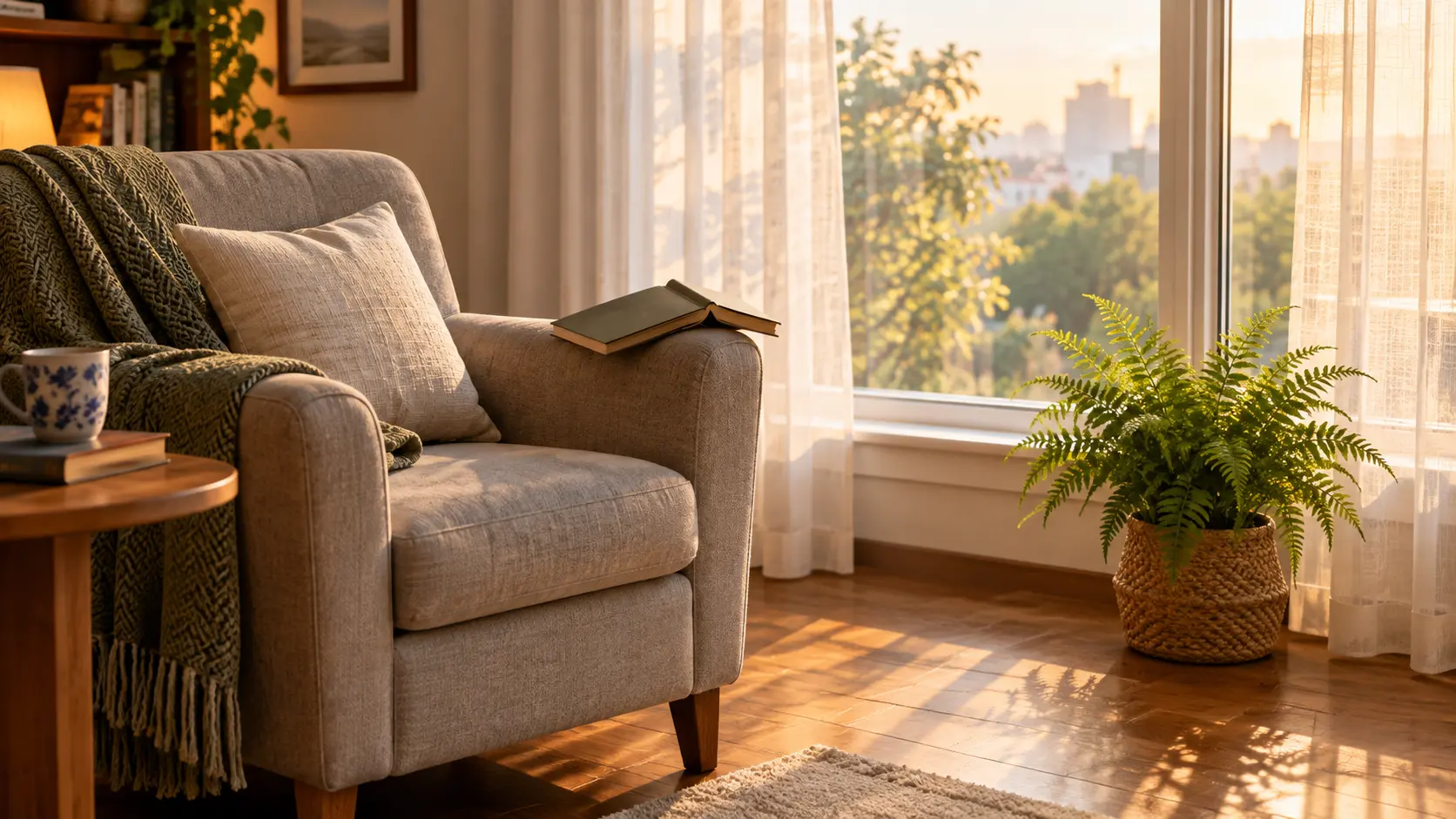
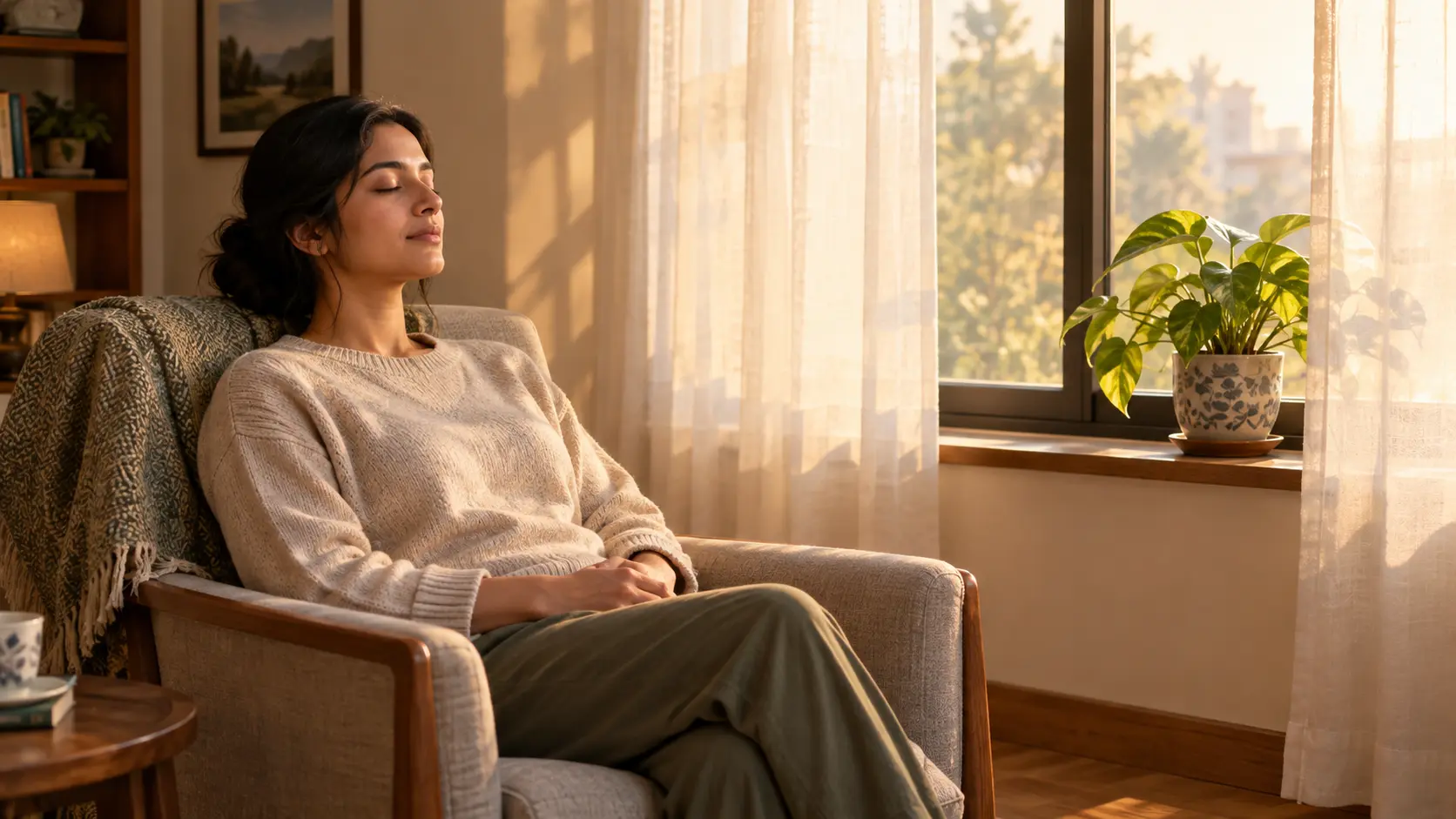
Spend a few minutes near a window or step outside. Natural light and greenery have a calming effect on the nervous system. Looking at trees, sky, or even a houseplant can provide a quiet reset. The change of visual environment interrupts cycles of stressed thinking. No long outing is required. A brief connection with natural elements often leaves the mind feeling clearer and the body more settled.
Conclusion
Stress relief techniques work best when they are simple enough to use in ordinary moments. These methods focus on breath, body, attention, and kindness rather than complicated systems. When practised regularly they build a quieter baseline and make intense moments easier to meet. Relief does not always require large amounts of time. Small repeated acts of care create steady support for both mind and body.
FAQs
How quickly do these techniques work?
Some, like slow breathing, can bring noticeable calm within a minute or two.

Do I need a quiet space?
No — most can be adapted to ordinary environments.
What if my mind is too busy?
Start with the body or the breath — they often settle the mind indirectly.
Can I combine techniques?
Yes — many people use breathing together with gentle movement or grounding.
How often should I practise?
A few minutes once or twice a day builds reliability over time.