Mixing and matching outfits becomes a quiet pleasure when guided by simple principles. You do not need a large wardrobe or constant new purchases. The clothes you already own can create many calm and polished looks. These gentle methods help you combine pieces with ease and confidence. Start with what feels comfortable and let the combinations grow naturally.

Start with Neutral Base Pieces
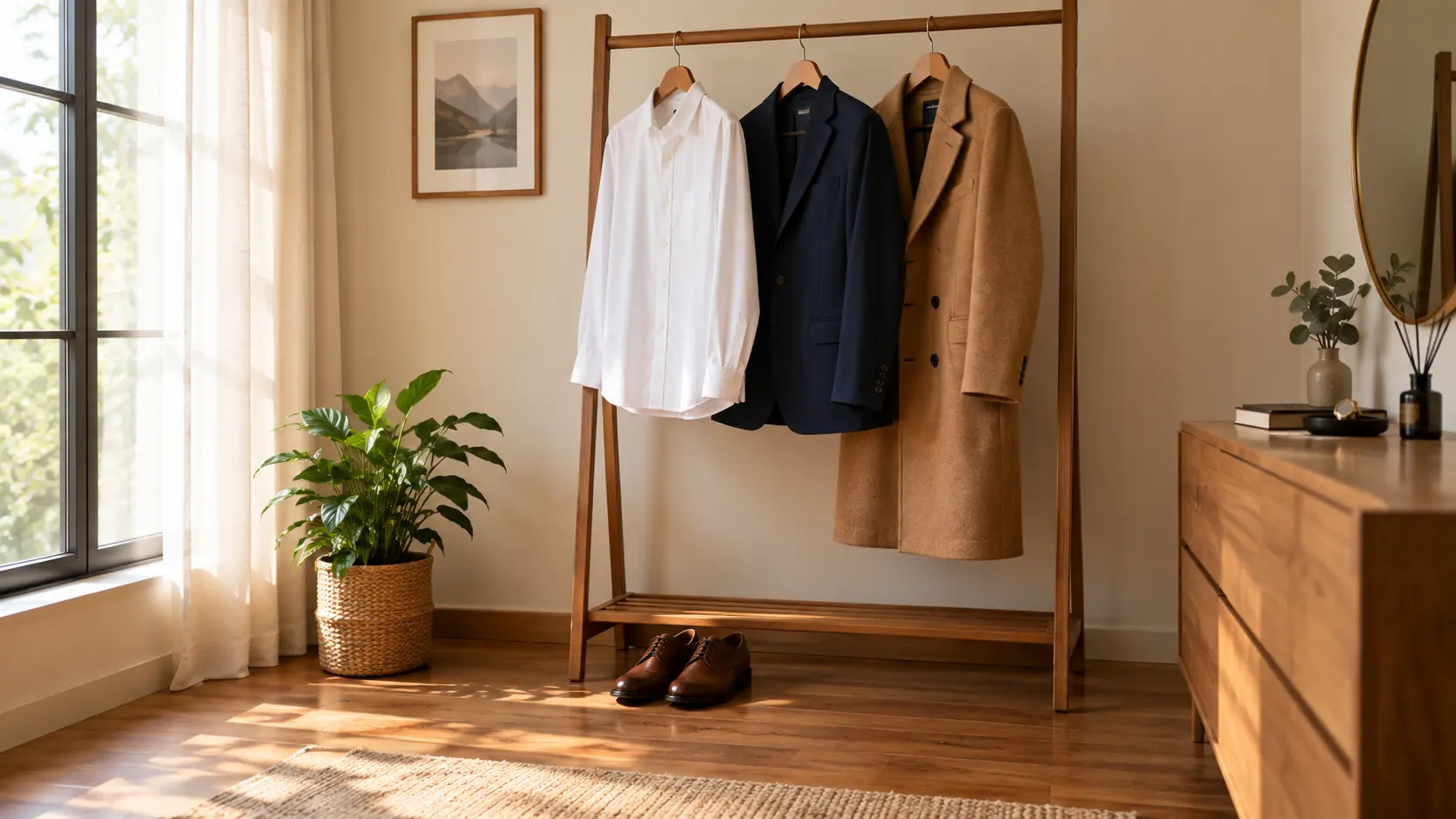
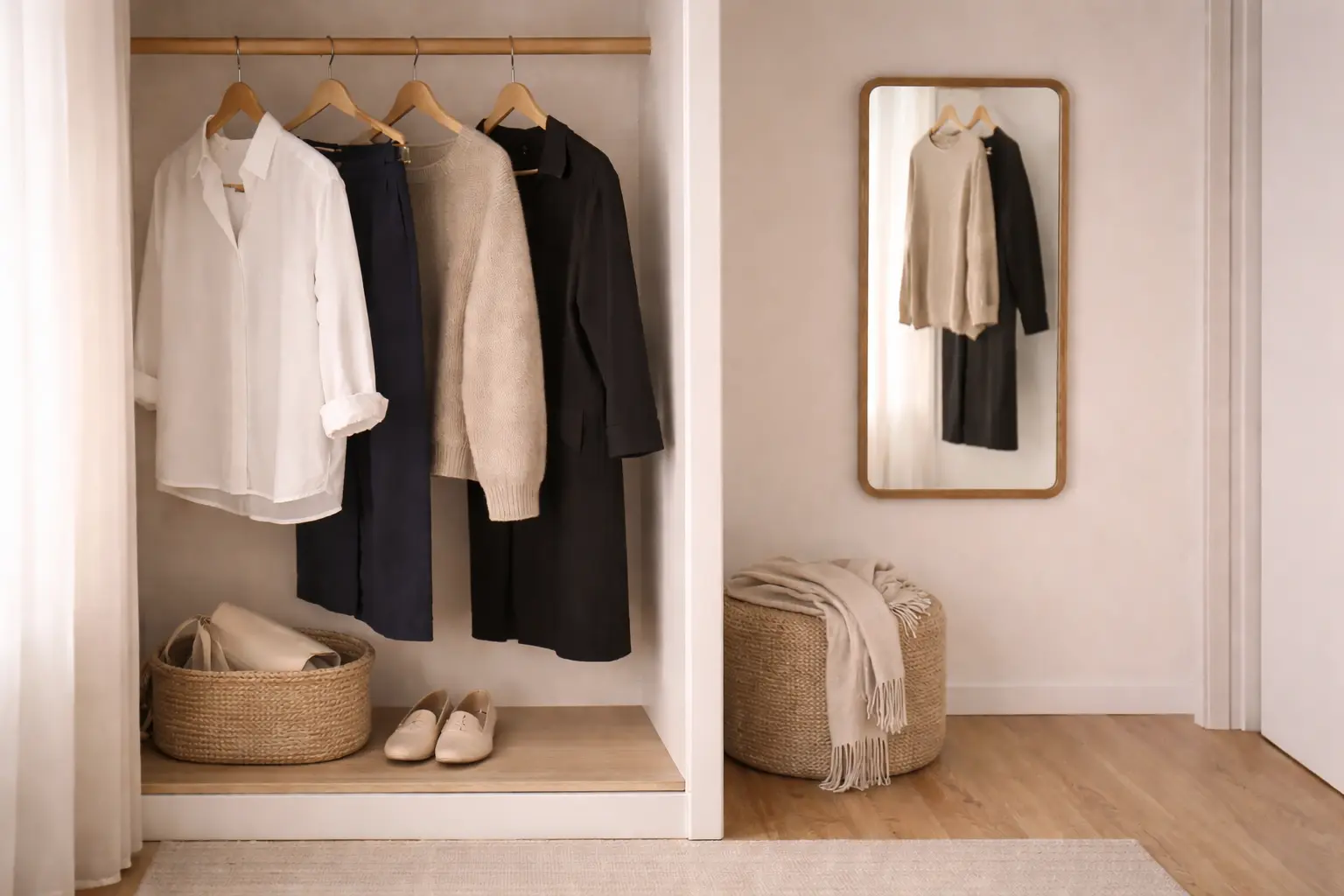
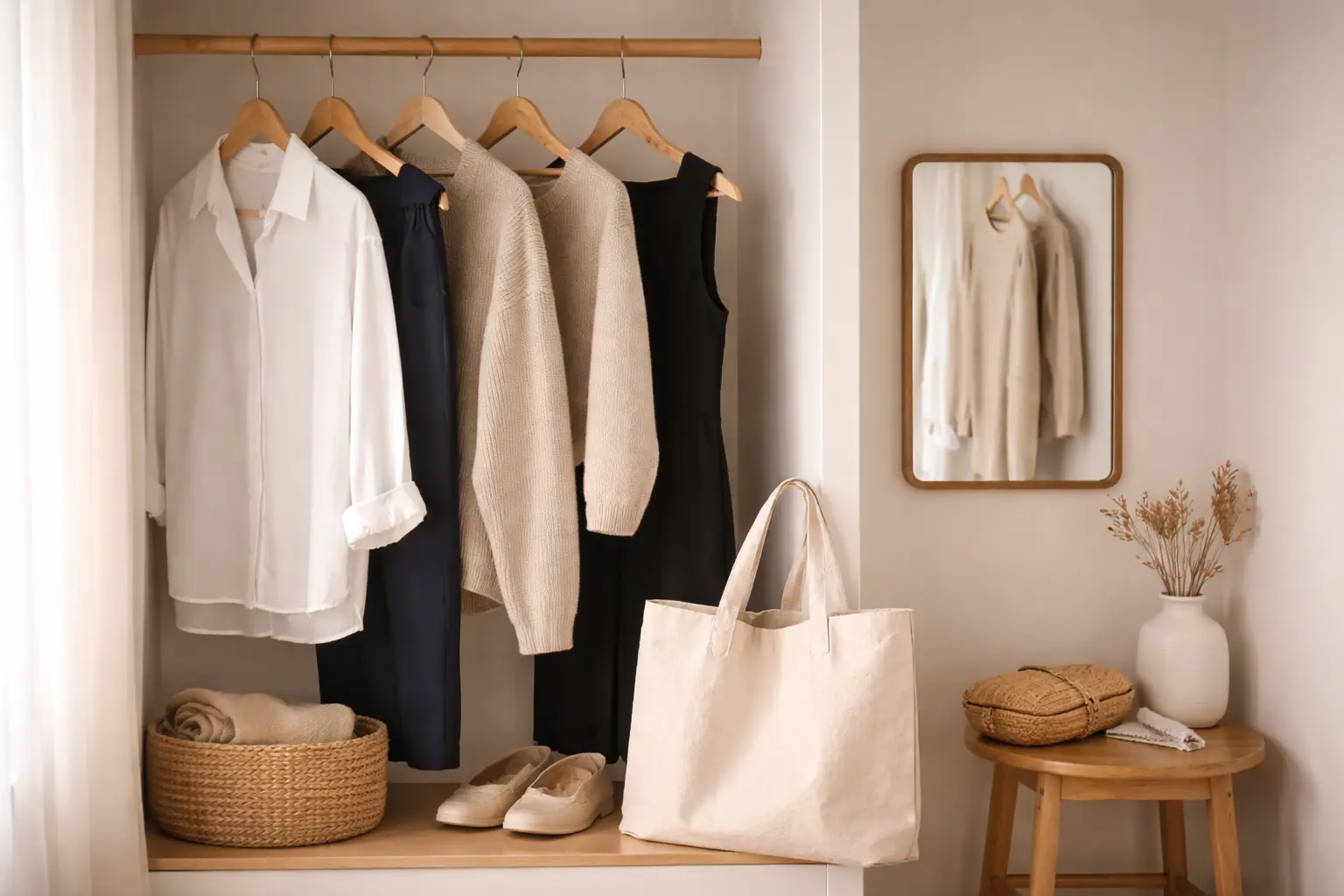
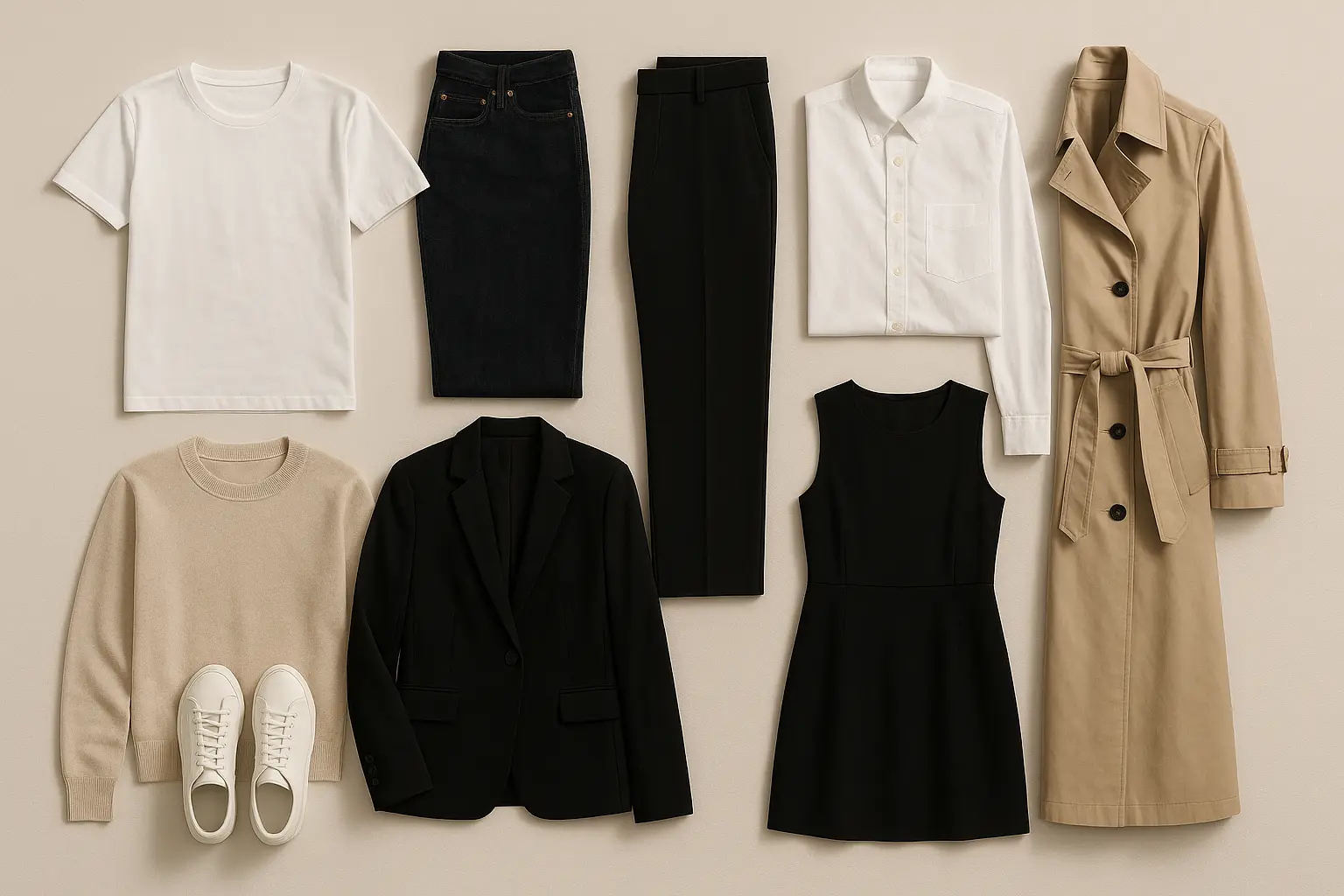
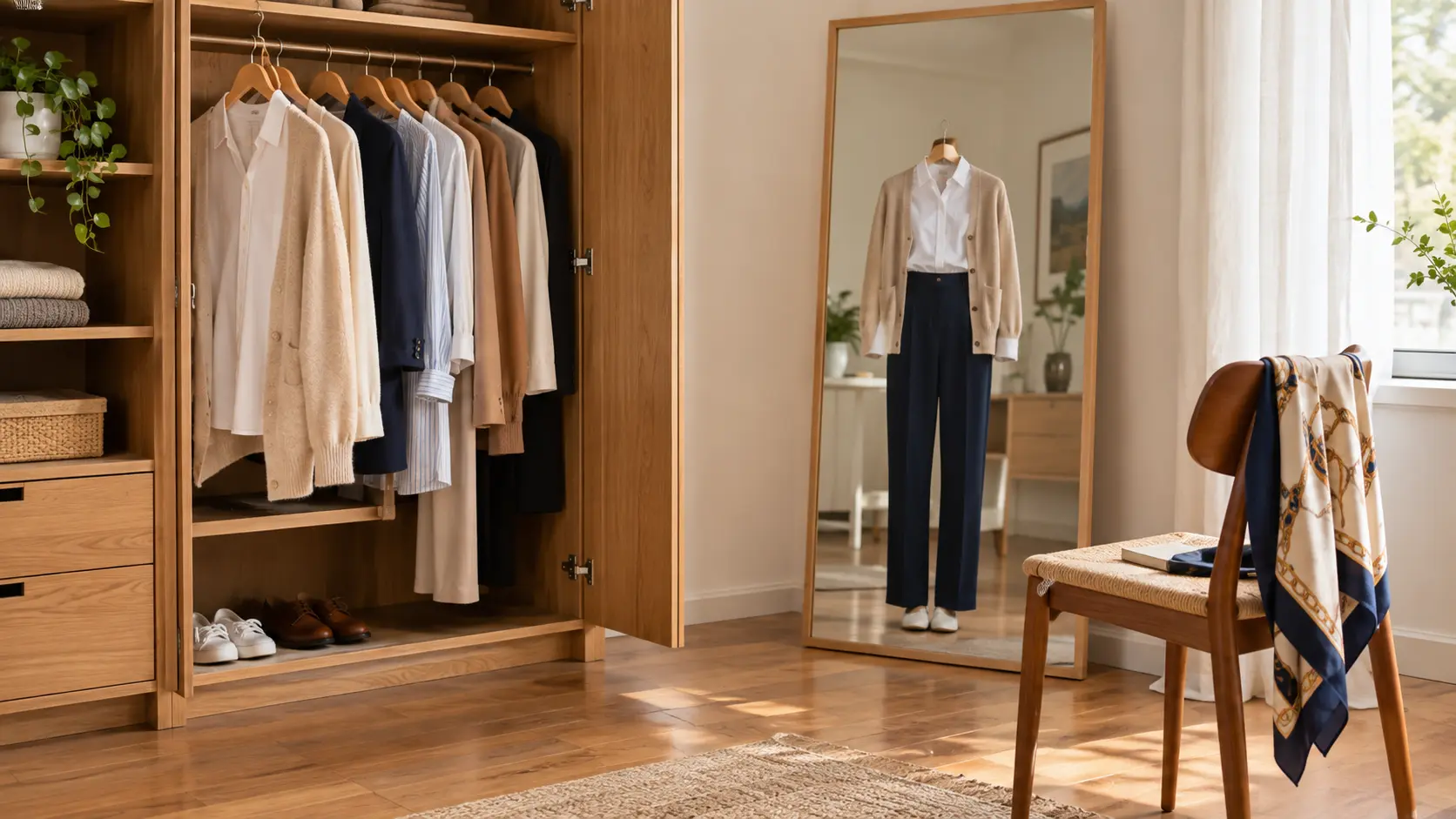
Choose a few neutral items as the foundation of every outfit. Black trousers, white shirts, beige sweaters, or grey jeans work with almost everything. Neutrals create calm harmony and make mixing effortless. They allow accent pieces to stand out softly without clashing. Keep these bases in good condition and classic cuts. A well-fitting neutral pair of trousers or a simple white top becomes the quiet center of many combinations. Once the base is solid, adding other items feels natural and light.
Play with Similar Colour Families
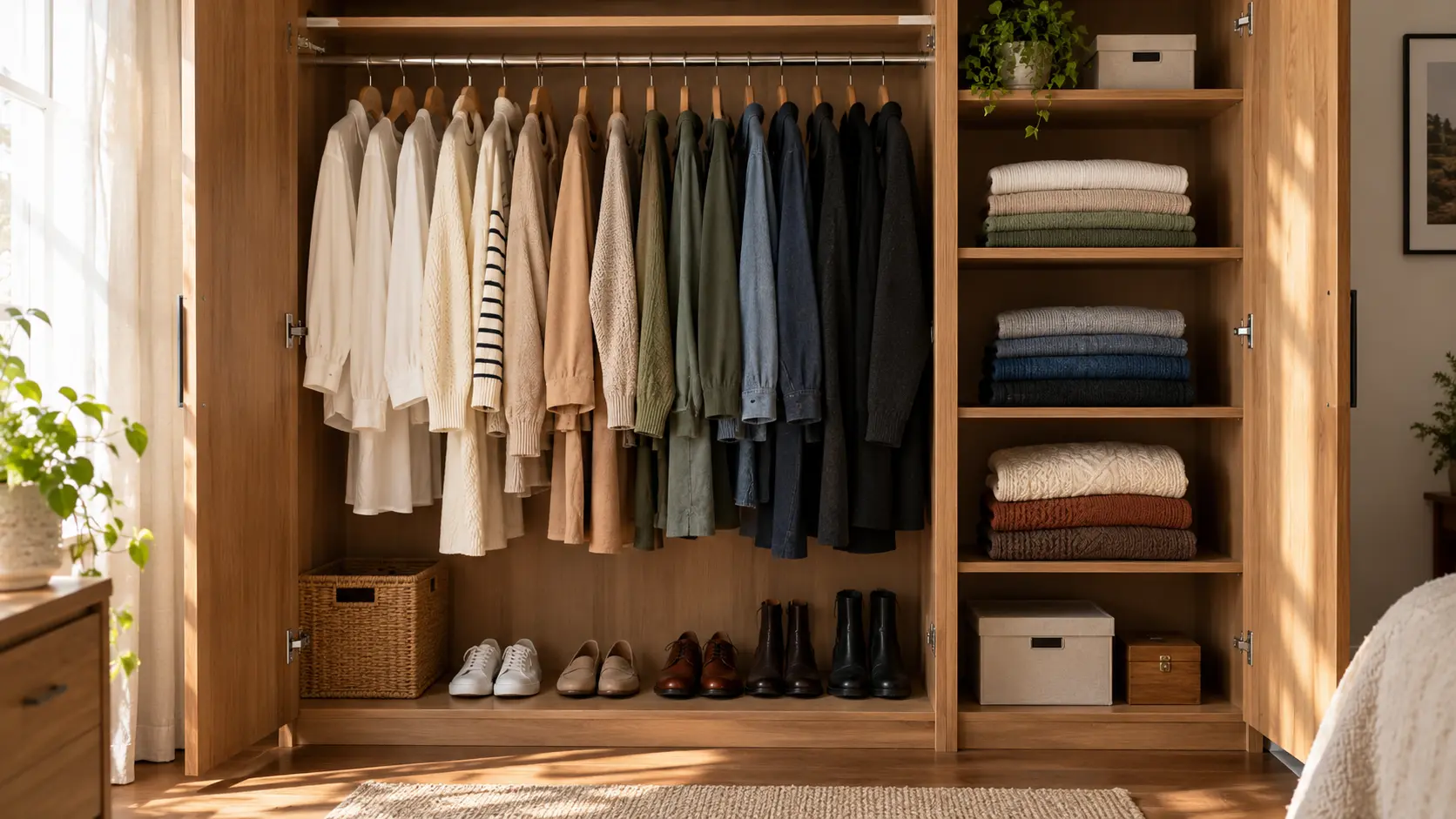
Mix shades that sit close on the colour wheel for a soft, blended effect. Pair light blue with navy or soft beige with warm camel. This gentle approach creates depth without strong contrast. Similar tones feel peaceful and sophisticated. They also make outfits look intentional rather than random. Experiment with one main colour family each week. Notice how the same pieces change mood when layered in related hues. The result is calm variety that never feels forced.
Balance Proportions Softly
Combine fitted and loose pieces for visual ease. A slim top with wide-leg trousers or a relaxed sweater with tailored pants creates quiet balance. This contrast keeps the eye moving gently across the outfit. Avoid all tight or all oversized looks that can feel heavy. Proportion is a soft rule that works for every body shape. Stand in front of a mirror and adjust until the silhouette feels natural. Balanced proportions make even simple clothes look thoughtful and complete.
Layer with Intention
Layering adds quiet interest and versatility. Start with a thin base layer such as a cotton tee or camisole. Add a shirt, light sweater, or soft blazer on top. Finish with a scarf or open jacket if needed. Keep layers in similar or complementary tones so they blend rather than compete. Layering lets you adjust for temperature and occasion without changing the whole outfit. It also extends the life of lighter pieces into cooler days. Practice with three layers maximum for a calm, uncluttered look.
Mix Textures for Soft Depth
Combine different fabrics to create gentle visual interest. Pair a smooth cotton shirt with a soft knit sweater or linen trousers with a wool blazer. Texture adds richness without needing bold patterns or colours. The contrast feels natural and elevated. Avoid mixing too many heavy textures at once. One smooth and one textured piece is often enough. Run your hand over the fabrics to sense how they work together. Texture mixing turns basic items into something quietly special.
Use Accessories as Quiet Connectors
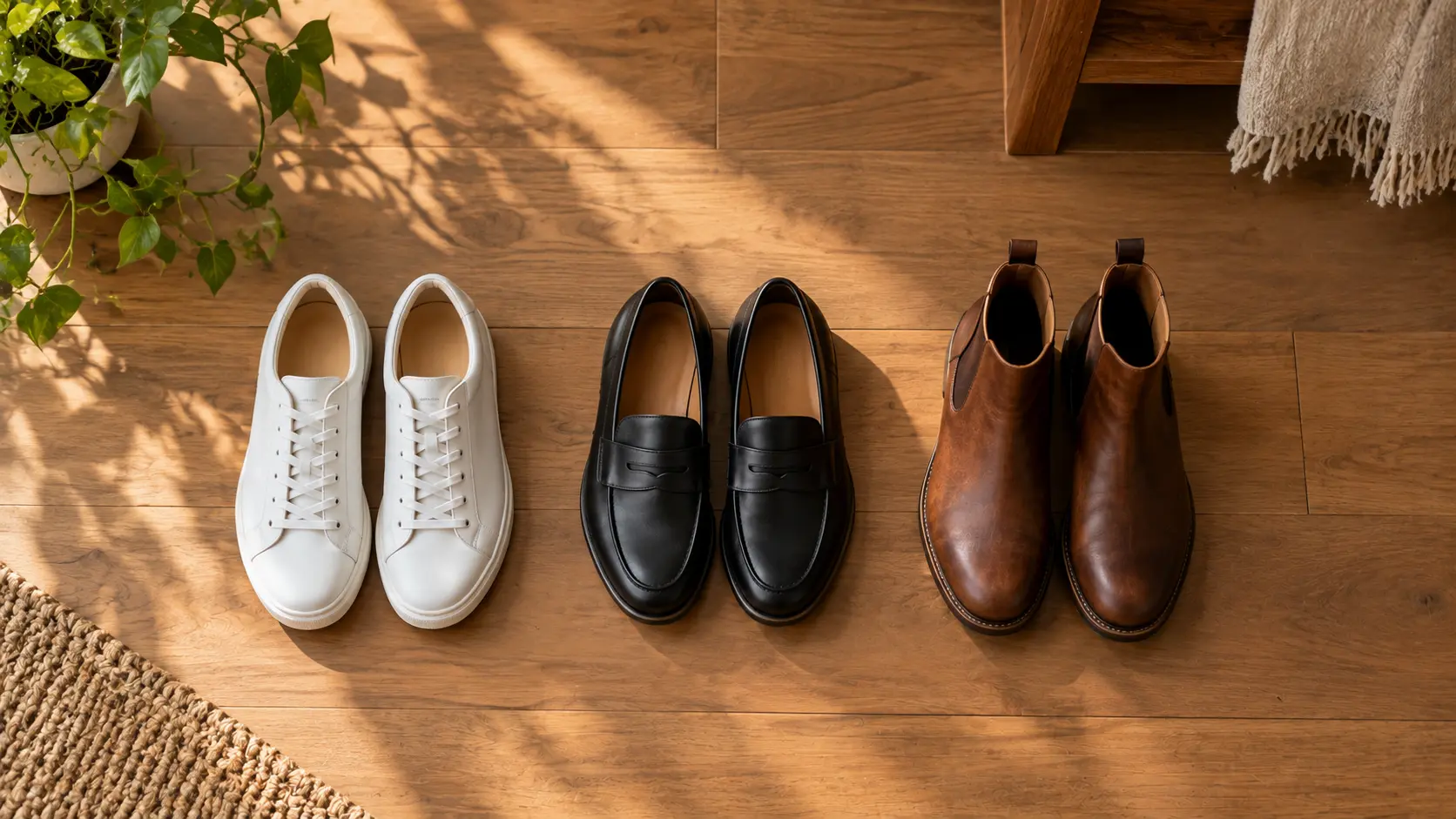
A simple scarf, belt, or pair of shoes can tie separate pieces into one cohesive look. Choose one or two accessories that pick up a colour or tone already in the outfit. A leather belt can define the waist and link top and bottom. A soft scarf can bridge a patterned top with solid bottoms. Accessories should support rather than dominate. Keep them minimal so the clothing remains the focus. This gentle finishing touch makes mixed outfits feel complete and intentional.
Limit Patterns and Keep Them Soft
When mixing patterns, choose one subtle print and keep the rest solid. Small checks, soft stripes, or gentle florals work best. Pair a patterned top with solid bottoms or the reverse. This prevents the eye from feeling overwhelmed. If using two patterns, ensure they share a common colour. Soft patterns create calm interest without noise. Start with very quiet prints and build confidence slowly. The goal is harmony rather than statement.
Build from What You Already Love
Look in your closet for pieces you reach for often. These favourite items become the starting point for new combinations. Try pairing a loved sweater with trousers you rarely wear or a favourite dress with a different jacket. Familiar pieces make mixing feel safe and personal. This approach also reduces the urge to buy more. Your existing wardrobe holds more possibilities than you may realise. Spend a quiet afternoon trying unexpected pairings. Keep what feels good and set the rest aside.
Create a Simple Capsule for Easy Mixing
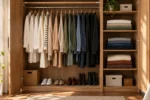
Select ten to fifteen pieces that all work together in colour and style. Include tops, bottoms, one or two layers, and basic shoes. When every item can mix with most others, getting dressed becomes effortless. A small capsule removes daily decisions and creates calm confidence. Rotate a few pieces each season while keeping the core intact. This gentle system supports mix-and-match living without effort.
Practice and Observe Softly
Try one new combination each day and notice how it feels. Take a quick photo if it helps you remember successful mixes. Observe which pairings bring comfort and which feel off. Over time your eye becomes trained to see possibilities. Mixing and matching is a quiet skill that grows with gentle practice. There is no perfect formula, only what feels right on you.
Conclusion
Mixing and matching outfits is a soft art of seeing potential in what you already own. These simple approaches remove pressure and invite creativity. When clothes combine easily, getting dressed becomes a calm moment of self-expression. Your wardrobe grows more versatile and your style feels quietly confident. Small experiments lead to lasting ease.
FAQs
How many pieces do I need to start mixing?
Ten to fifteen versatile items are enough for many combinations.
What if colors do not match perfectly?
Choose similar tones or neutrals — close is often better than exact.
Can I mix formal and casual items?
Yes — a blazer over jeans or a soft sweater with tailored trousers works gently.
How do I avoid looking mismatched?
Keep one element consistent such as color family or fabric weight.
What if I have a limited wardrobe?
Focus on neutrals and multi-use pieces — they create the most options.