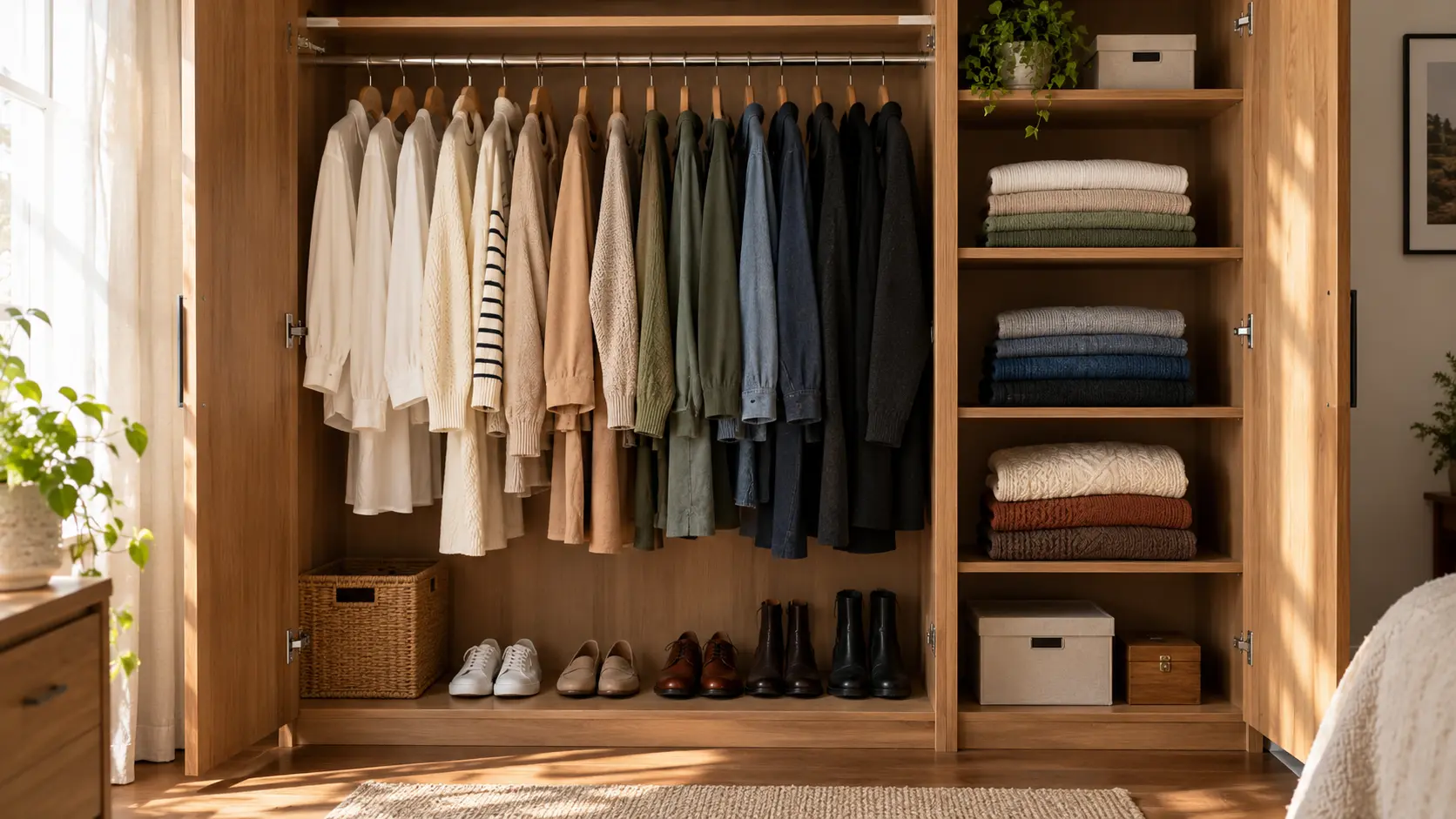
A well-organized wardrobe turns getting dressed into a calm and simple act. Smart organization is less about perfect systems and more about creating gentle order that supports daily life. These methods help you see what you own and choose with ease. They work for any size of closet or chest of drawers. Start with one section and move gradually.
Empty and Assess Everything
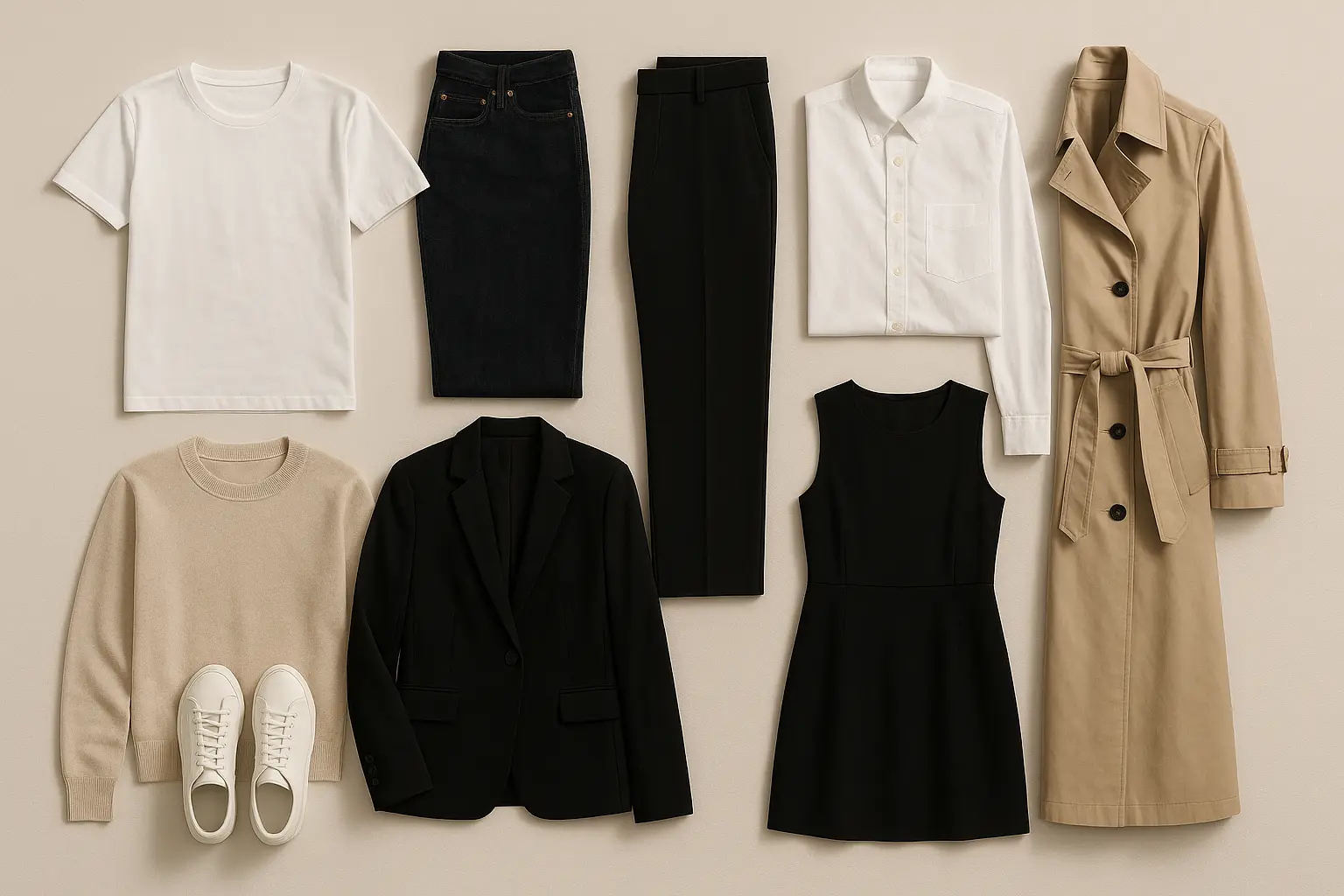
Take all items out of the wardrobe and place them where you can see them clearly. Group similar pieces together such as tops trousers and outerwear. This full view reveals what is actually present. Notice which items you reach for often and which have stayed untouched. The process feels clarifying rather than overwhelming when done in stages. Handling each piece once helps decisions feel more natural. Keep only what fits your current life and feels good to wear.
Decide What Stays with Kindness
Hold each item and ask whether it has been worn in the past year and whether it still suits your body and style. Keep pieces that feel comfortable and useful. Set aside anything that no longer fits or feels right. There is no need for harsh rules. A quiet sense of whether the item still belongs is enough. Items in good condition can be passed on. This gentle editing creates space and reduces daily decision fatigue.
Group by Category and Colour
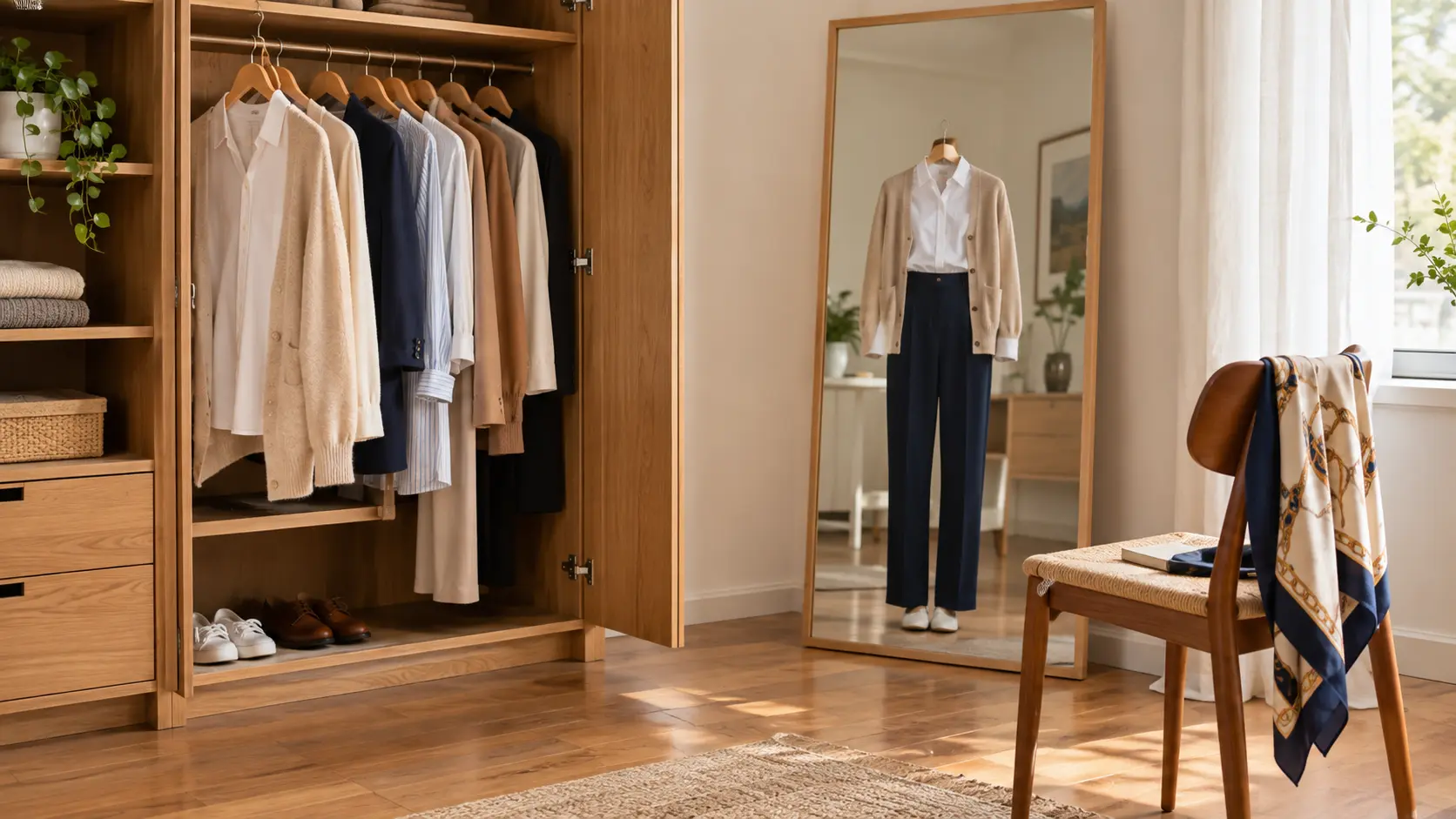
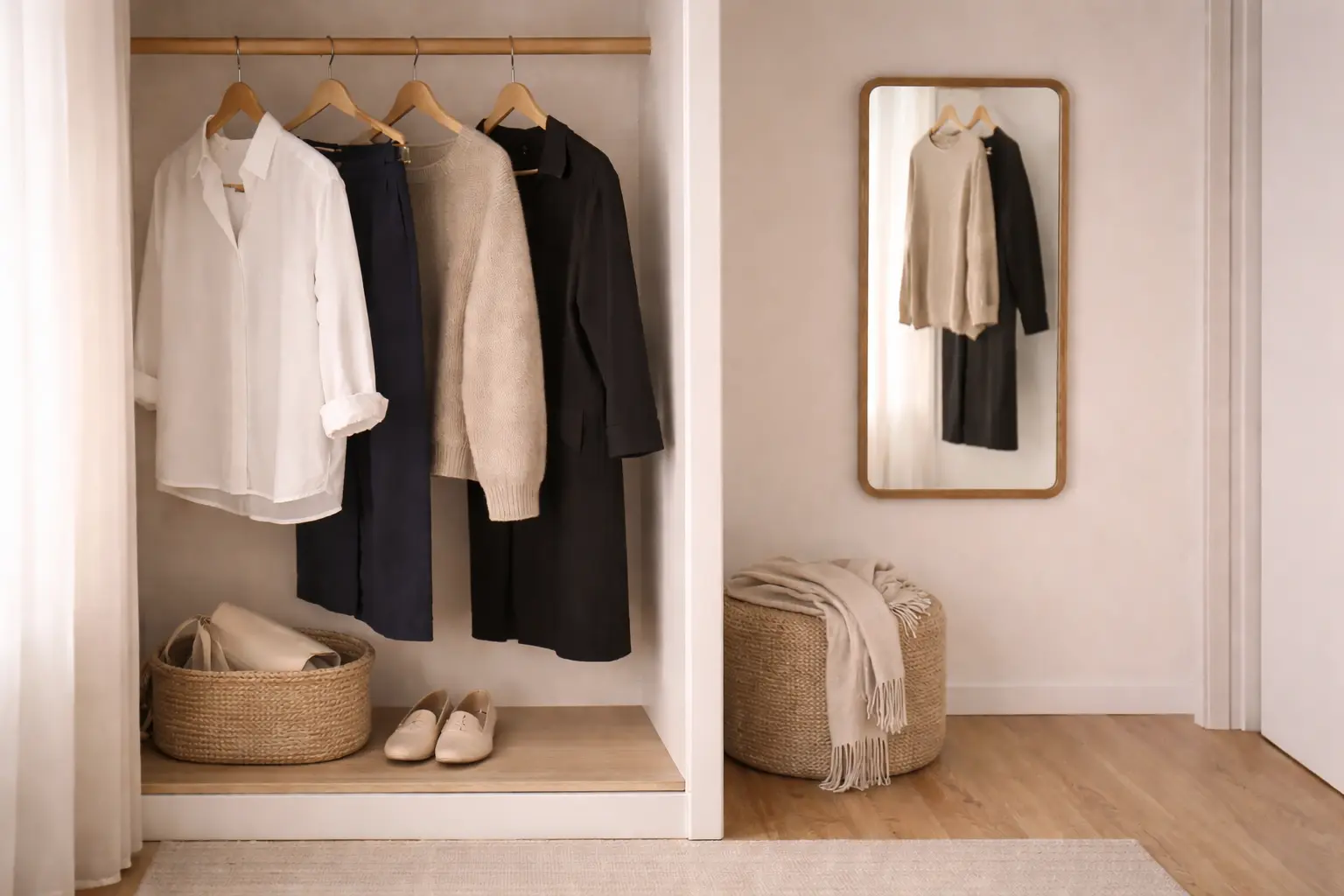
Return the remaining clothes in clear categories such as shirts knitwear trousers and dresses. Within each category arrange by colour from light to dark. This visual order makes finding items faster and more pleasant. Similar colours sitting together create a calm and cohesive look when the doors are open. The system requires no special equipment. It simply makes the contents easier to read at a glance.

Use the Space You Have Wisely
Place frequently worn items at eye level and within easy reach. Seasonal or rarely used pieces can go higher or lower. Fold heavier items such as jeans and sweaters and hang lighter pieces that crease easily. Drawer dividers or simple boxes can separate smaller items like underwear and accessories. The goal is to make the most used clothes the easiest to access. Vertical space on shelves or hanging rods should be used fully but without overcrowding.
Create a Simple Rotation System
Move out-of-season clothes to a separate box or higher shelf. Bring the current season’s items to the front. This soft rotation keeps the main wardrobe relevant and uncluttered. Review the stored items when the seasons change. Some pieces may no longer be needed. A light seasonal edit prevents the wardrobe from becoming static and overloaded. The process takes only a short time twice a year.
Keep Surfaces and Hangers Clear
Avoid hanging bags or scarves on the same hangers as clothes. Use a small tray or box for everyday accessories. Clear the floor of shoes by placing them on a rack or in boxes. A clear floor and uncluttered hanging space make the whole wardrobe feel more open. Visual calm supports easier choices each morning. Return items to their place after wearing so the order remains.
Maintain with Small Weekly Habits
Spend five minutes once a week returning stray items and checking that everything is in its category. Notice if any piece has not been worn and consider whether it still belongs. This light maintenance prevents the need for large reorganizing sessions. Consistency with small actions keeps the system working. The wardrobe stays supportive rather than becoming a source of mild frustration.
Make the Space Pleasant
Add a small light if the wardrobe is dark. A simple scent sachet or open bar of soap can keep the air fresh. Choose hangers that are uniform in style for a quieter visual effect. These small touches make opening the wardrobe a more pleasant experience. When the space feels cared for the act of choosing clothes becomes calmer.
Conclusion
Organizing a wardrobe smartly is an act of quiet care for daily life. It reduces the small stresses of getting dressed and creates a sense of order that carries into the day. The methods are simple and can be adapted to any space. When clothes are easy to see and reach mornings feel lighter. A thoughtfully arranged wardrobe supports both practicality and peace.
FAQs
How often should I reorganize?
A light review every few months and a fuller edit once or twice a year is usually enough.
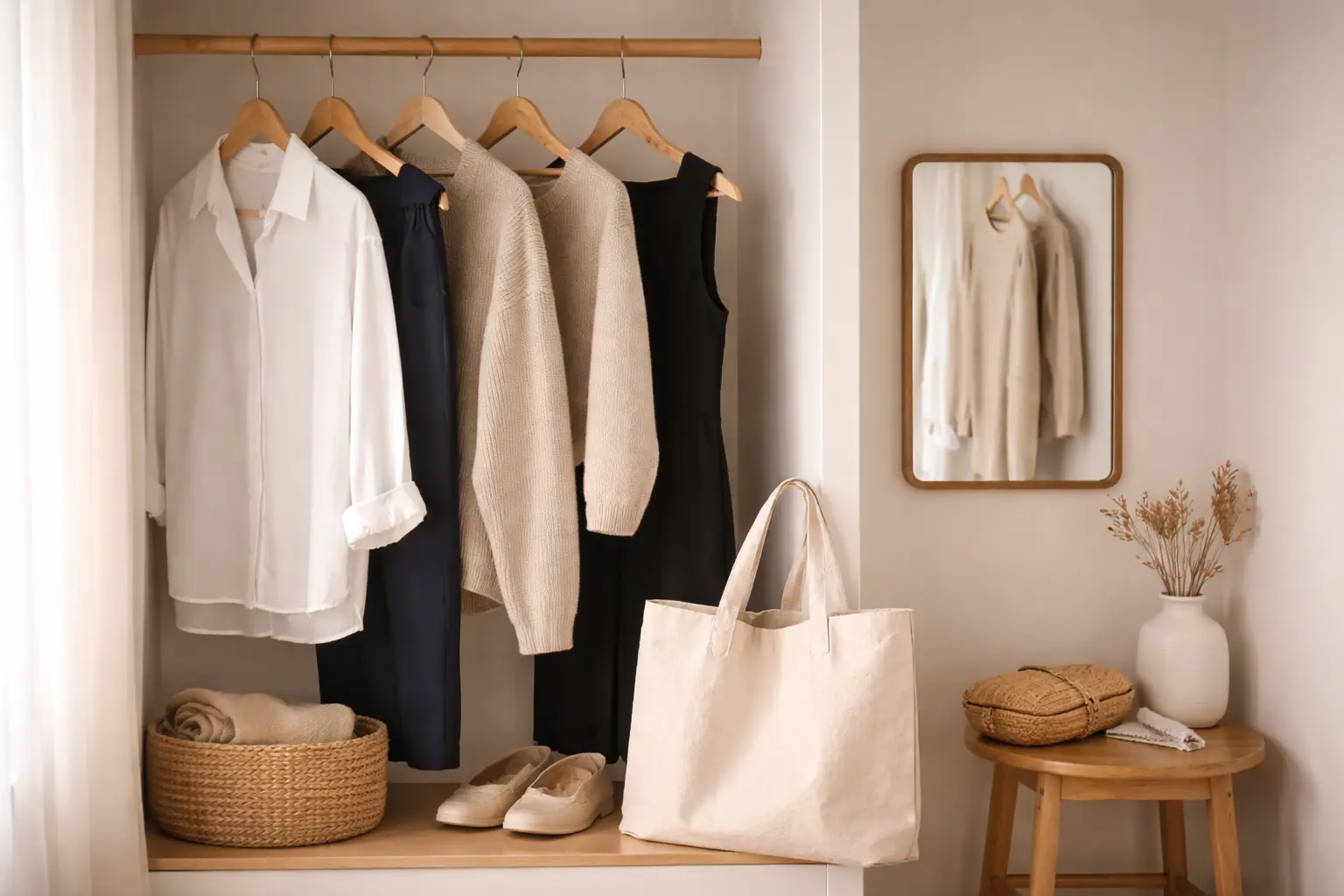
What if I have limited space?
Focus on keeping only what is worn regularly and use vertical storage fully.
Should I buy special organizers?
Only if they solve a clear problem — simple boxes and uniform hangers often suffice.
How do I decide what to keep?
Keep what fits what feels good and what has been worn recently.
Can this work with a shared wardrobe?
Yes — create clear zones for each person and agree on shared categories.