A road trip offers a sense of freedom that few other forms of travel match. Planning it gently removes unnecessary stress and leaves room for spontaneous moments. These simple steps help create a journey that feels both prepared and open. The process works for short weekend drives and longer multi-day routes. Begin with clear priorities and let the rest unfold calmly.

Decide the Overall Shape of the Trip
Start by choosing a general direction or a few places that matter most. Decide whether the focus is scenery quiet towns or a mix of both. A loose framework is more helpful than a rigid schedule. Knowing the main purpose keeps later decisions easier. Write down two or three must-see stops and leave the spaces between them flexible. This soft structure supports both intention and freedom.
Set a Realistic Daily Driving Limit
Long hours behind the wheel reduce enjoyment and increase fatigue. Choose a daily distance that leaves time for stops and arrival before dark. Most people find that four to six hours of driving feels sustainable. Build in extra time for meals viewpoints and unexpected delays. A gentler pace makes the journey itself part of the pleasure rather than only a means of reaching destinations.
Choose Accommodation with Flexibility
Book the first and last nights in advance for peace of mind. Leave some middle nights open or choose places with free cancellation. This allows adjustment if a location proves more interesting than expected. Look for stays that offer easy parking and a quiet atmosphere after a day of driving. Simple guesthouses or small hotels often feel more restful than large busy properties.

Prepare the Vehicle Quietly
Check tyre pressure oil levels and basic fluids before departure. Ensure the spare tyre and necessary tools are present. Pack a small emergency kit with water a torch and basic first-aid supplies. These quiet preparations reduce the chance of interruptions. A well-tended vehicle supports a calmer journey. Address any known issues well before the departure date.
Pack Light and Thoughtfully
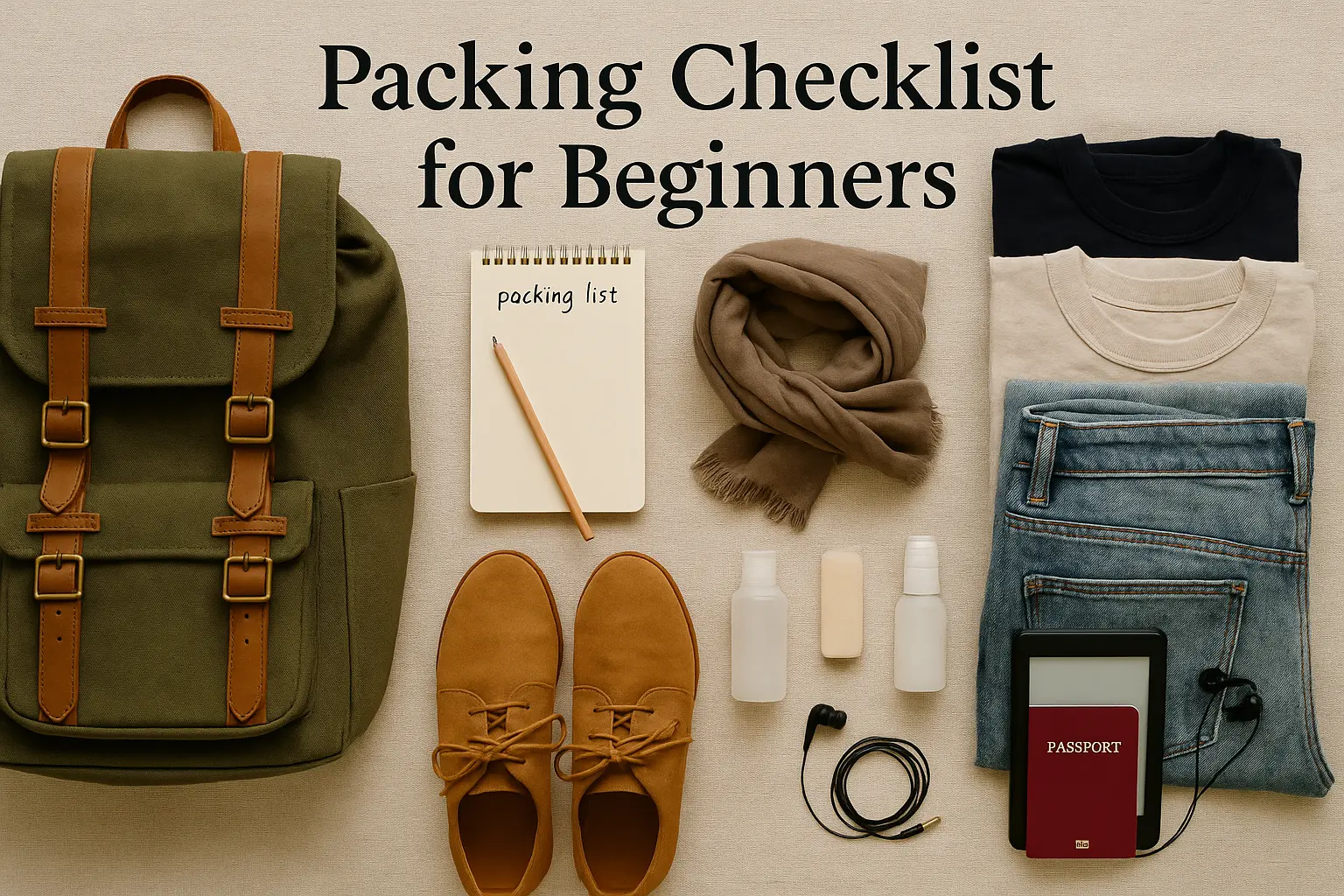
Choose clothes that layer easily and shoes suitable for both driving and short walks. Keep a small bag of essentials within easy reach of the front seats. Limit the total volume so the car remains comfortable and organised. A lighter load makes packing and unpacking at each stop simpler. Include a reusable water bottle and a few non-perishable snacks for the road.
Plan Fuel and Rest Stops
Note approximate distances between fuel stations especially on quieter routes. Identify one or two possible rest areas for each driving day. Short breaks every two hours help maintain alertness and comfort. These pauses also create natural opportunities to stretch and notice the surroundings. Building rest into the plan prevents the day from becoming only about covering distance.

Keep Navigation Simple
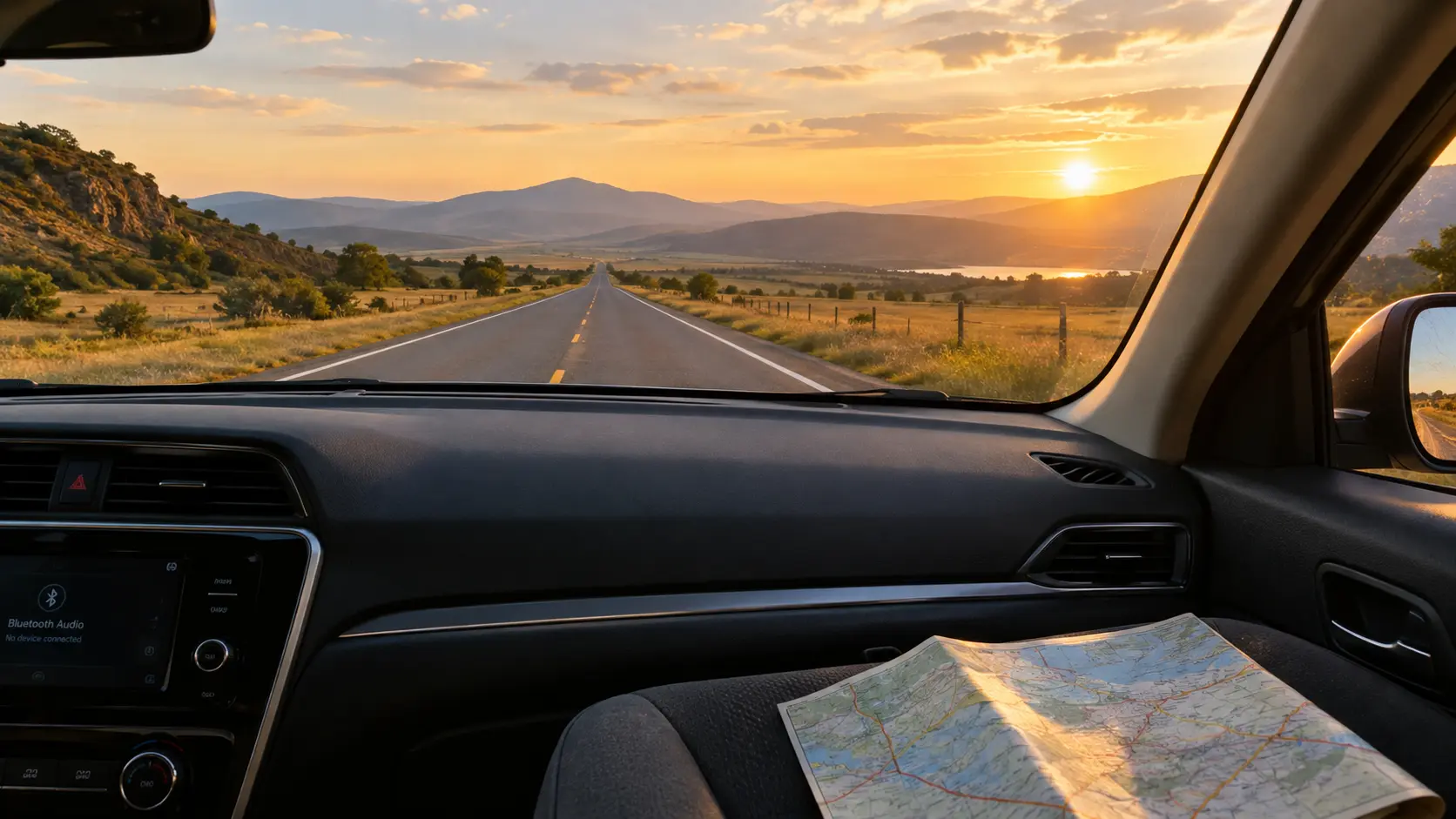
Download offline maps for the main route and surrounding areas. A paper map can serve as a useful backup. Avoid constant recalculation of the route unless necessary. Choose a primary path and allow room for minor detours that look interesting. Over-reliance on real-time instructions can pull attention away from the landscape. A balanced approach keeps both direction and presence.
Share the Outline with Someone
Let a trusted person know the general route and expected arrival times. Send a brief message when reaching each overnight stop. This simple step provides quiet reassurance without requiring constant contact. It also creates a light safety net in case of unexpected changes. The sharing can be minimal and still effective.
Leave Space for the Unexpected
Some of the best road-trip moments arrive unplanned. A small town a viewpoint or a local recommendation can become a highlight. Keep a portion of each day unscheduled so these discoveries remain possible. Rigid timing often turns potential pleasure into pressure. Allowing open space keeps the journey feeling alive and responsive.
Conclusion
Planning a road trip is an act of balancing preparation with openness. These gentle steps create a foundation of safety and comfort while still leaving room for the road to surprise. When the practical elements are handled quietly the focus can rest on the changing landscape and the rhythm of the drive. A well-considered plan supports freedom rather than limiting it. The journey itself becomes the destination.

FAQs
How far in advance should I plan?
A few weeks is usually enough for most trips — longer for peak seasons.
Is it better to book all stays ahead?
Book the first and last nights and leave some flexibility in between.
What if the car has problems?
Carry basic tools and know the roadside assistance number for your area.
How many hours should I drive each day?
Four to six hours is a comfortable range for most people.
Can these tips work for solo travellers?
Yes — the same principles apply with extra attention to safety check-ins.