Smart budget planning turns travel into a calm and possible experience. It removes the quiet worry of overspending and lets you focus on the journey itself. These simple methods help you prepare without pressure or complicated spreadsheets. They work for short trips and longer adventures alike. Start with clear priorities and let the plan support your freedom.

Decide the True Purpose of the Trip
Before looking at numbers, ask what the trip is really for. Is it rest, exploration, connection, or a mix of these? A clear purpose guides every spending choice. When the main goal is rest, expensive activities can be reduced. When the goal is discovery, more budget can go toward experiences. This gentle clarity prevents money from being spent on things that do not matter. Write the purpose in one short sentence and keep it visible while planning. The rest of the budget becomes easier and more meaningful.
Set a Realistic Total Amount
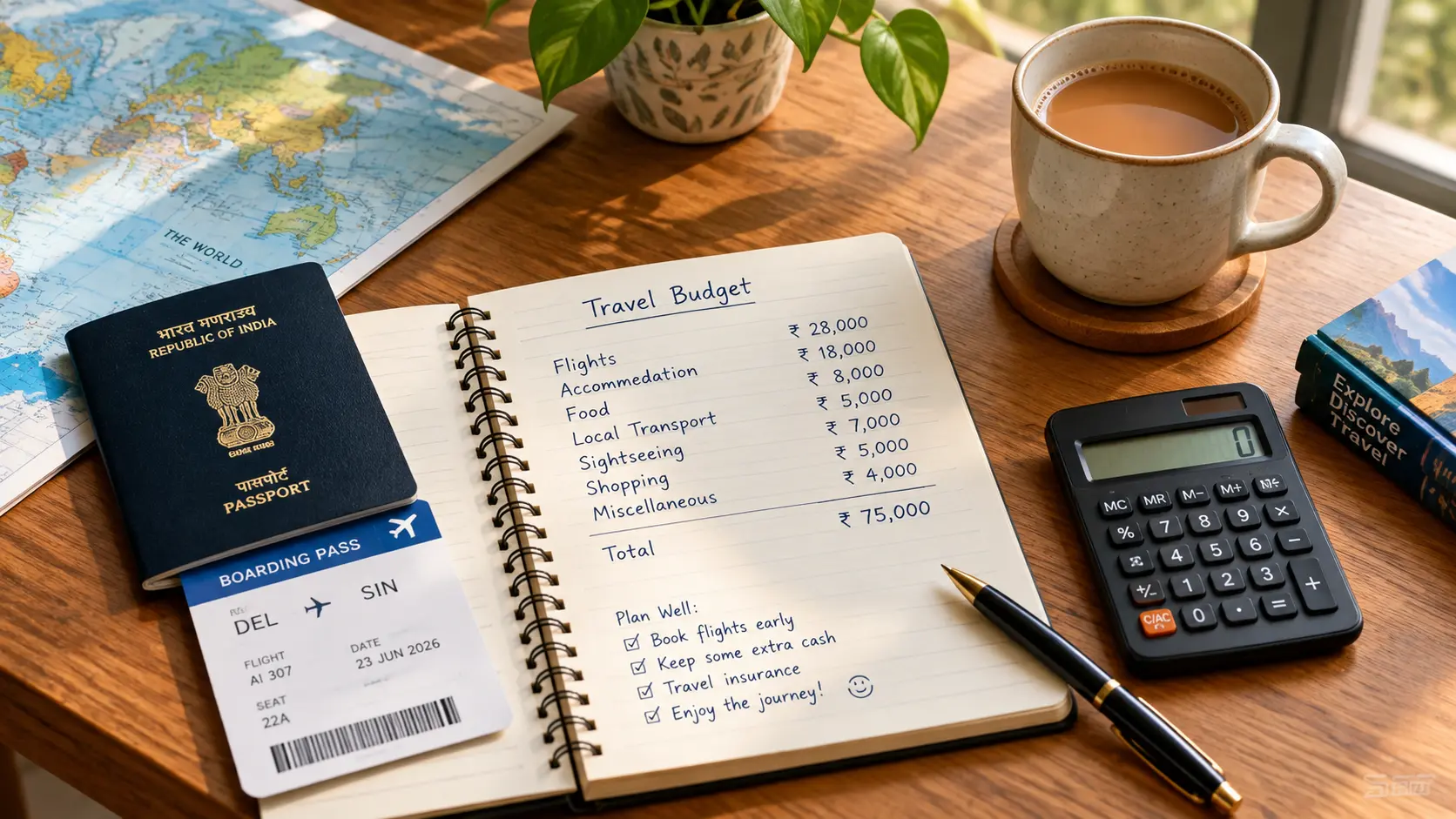
Look at your current savings and monthly income with honesty. Choose an amount that feels comfortable rather than ambitious. Include a small buffer for unexpected needs. This total becomes the quiet boundary for the entire trip. Divide the amount into categories such as transport, stay, food, and activities. Seeing the full picture early prevents later stress. Adjust the trip length or destination if the number feels tight. A realistic budget creates freedom instead of restriction.
Research Transport Options Early
Transport is often the largest expense. Compare trains, buses, budget flights, and shared rides with care. Book flexible tickets when possible so changes do not cost extra. Look for mid-week or off-peak travel times for quieter prices. Sometimes a slightly longer journey saves a significant amount. Keep the research calm and limited to a few reliable sources. Once a good option is found, book it and move on. Early decisions lock in savings without constant checking.

Choose Accommodation Wisely
Consider the true needs of sleep and rest rather than luxury. Clean, safe, and well-located places matter more than extra facilities. Look at guest houses, simple hotels, or longer-stay options that reduce daily cost. Read recent reviews for honesty about cleanliness and noise. Staying a little further from the center can lower prices while still allowing easy access. Factor in breakfast or kitchen access if it reduces food spending. A comfortable base supports the whole trip more than a perfect location.
Plan Food with Flexibility
Food is both necessity and pleasure. Decide how many meals will be simple and how many will be special. Markets, local bakeries, and everyday cafés often offer better value and flavor than tourist restaurants. Carry a refillable water bottle and a few snacks for travel days. This reduces impulse spending and keeps energy steady. Leave room in the budget for one or two memorable meals. The balance of everyday eating and occasional treats feels sustainable and enjoyable.
Limit Paid Activities Thoughtfully
Not every experience needs a ticket. Free walking, parks, viewpoints, and local neighborhoods often give the richest memories. Choose one or two paid activities that truly interest you and leave the rest open. Research free museum days or community events in advance. This approach protects the budget while still allowing meaningful moments. Spontaneous discoveries often cost nothing yet feel the most special.

Track Spending Gently During the Trip
Keep a simple note of daily expenses in a small notebook or phone. Check the running total once a day rather than constantly. This quiet awareness prevents surprises without creating anxiety. If one category is higher than planned, adjust another gently. The goal is information, not restriction. Most people find that mild tracking keeps spending aligned with the original plan.
Build a Small Contingency
Set aside a modest amount for unexpected needs such as transport changes or minor medical costs. This buffer brings peace of mind. It does not need to be large, only present. Knowing the contingency exists reduces the urge to overspend in other areas. Use it only when truly needed and return any unused portion to savings after the trip.
Review and Learn After Returning
Once home, look at the final numbers with kindness. Notice what worked well and what felt unnecessary. This quiet review improves the next budget without judgment. Over time, planning becomes faster and more accurate. Each trip teaches something useful about your own preferences and spending patterns.
Conclusion
Smart budget planning is a form of quiet care for both the journey and yourself. It replaces worry with preparation and allows travel to remain joyful. When money is handled gently in advance, the days of travel feel lighter and more open. The real reward is the freedom to be present rather than concerned. Thoughtful planning turns limited resources into rich experiences.

FAQs
How far in advance should I plan the budget?
Two to three months is ideal for most trips.
What if prices rise after I plan?
Keep a small buffer and stay flexible with dates or options.
Is it better to book everything or leave room?
Book transport and stay first, leave some daily spending open.
How do I handle currency differences?
Use a simple conversion note and check rates once before leaving.
Can these tips work for family travel?
Yes — the same principles scale with clear priorities and shared goals.