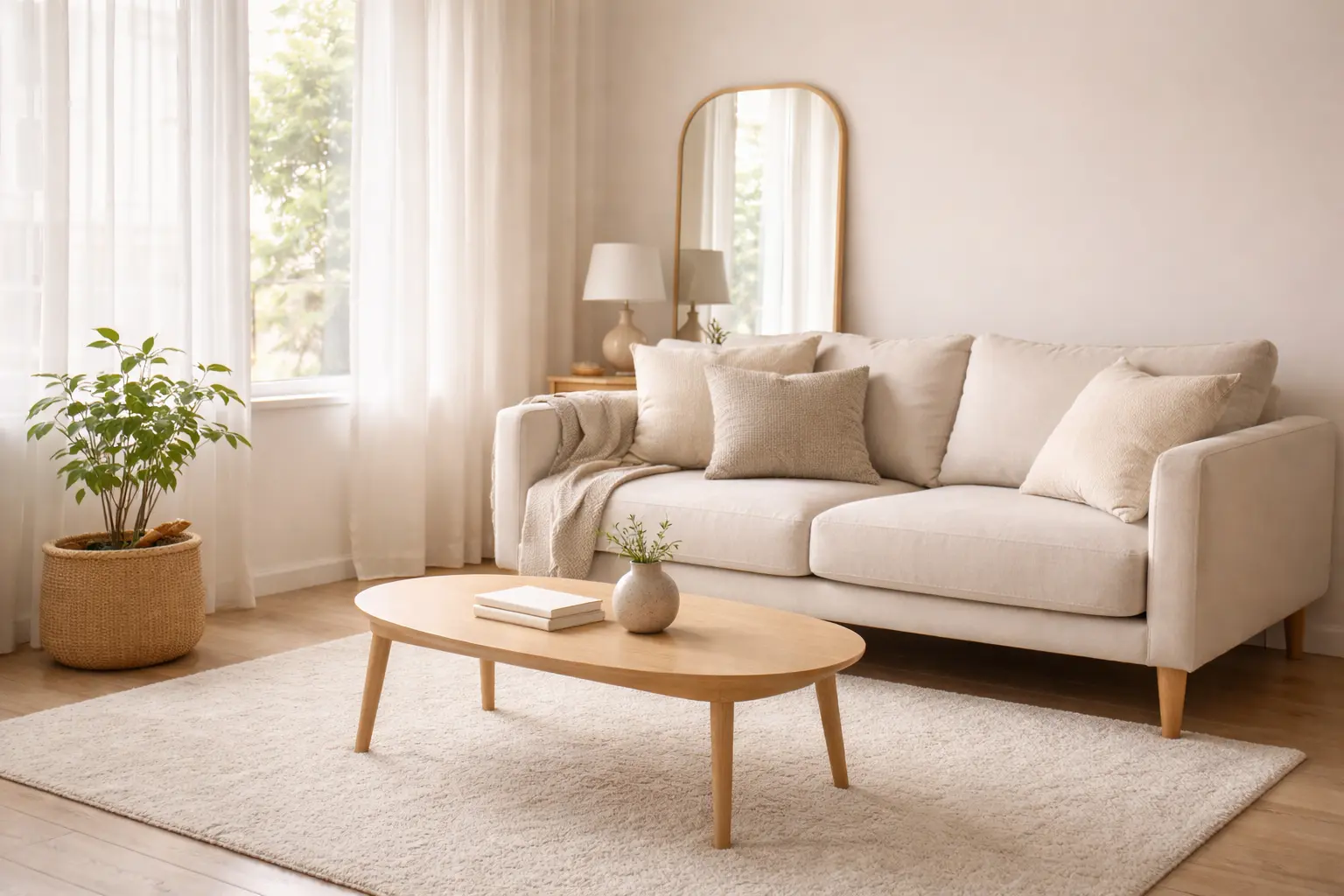
Small spaces can be calming and spacious by making a few small adjustments. It is not necessary to tear down walls or invest a lot of money on a large scale overhaul. All you need is a few small adjustments in lighting, colour and arrangement. These simple suggestions make use of the things you already have to give the impression of space. It’s a space that is a comfortable place to be and greets visitors every time you step in.

Use Light Colours on Walls and Floors
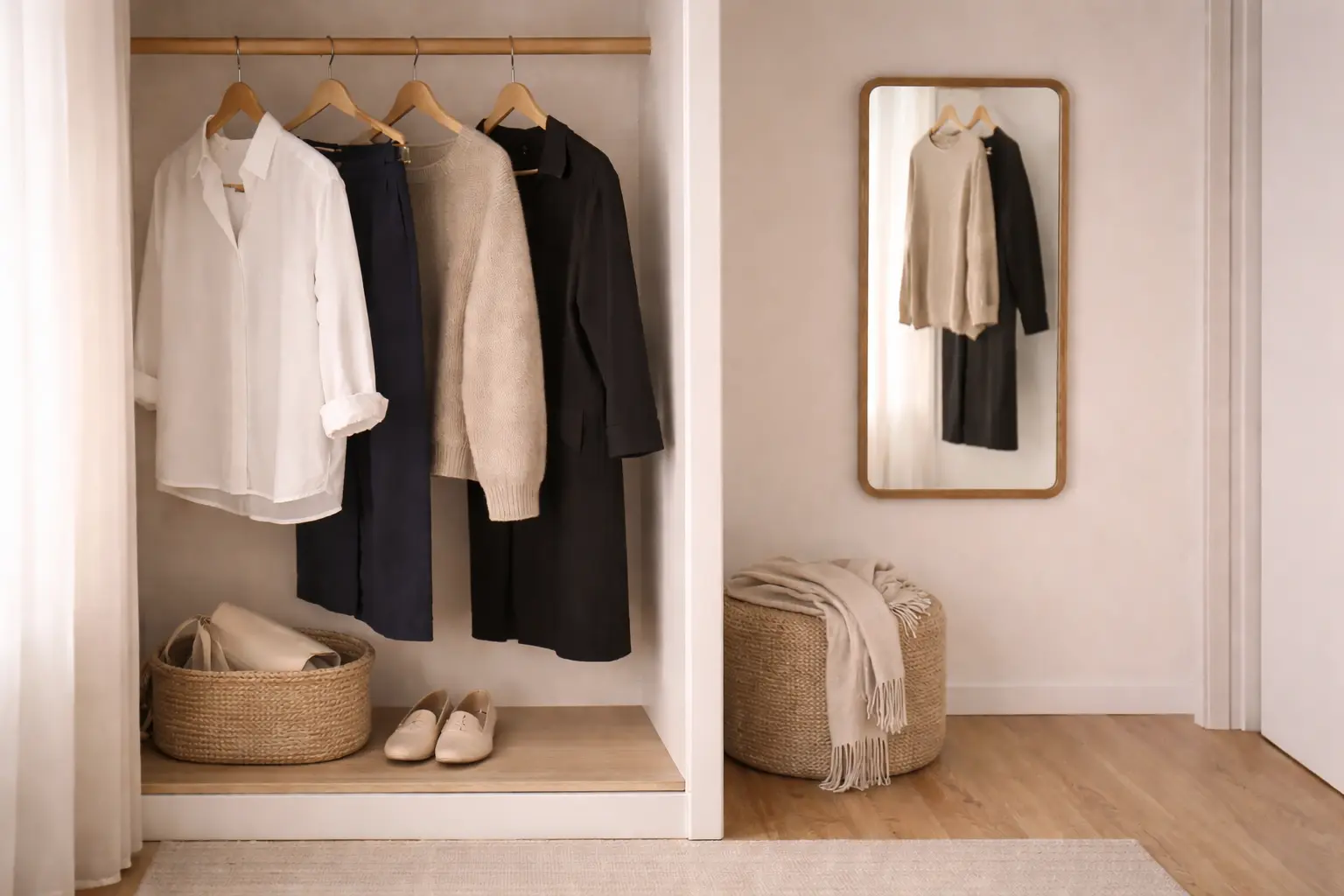
Pale shades such as light grey, soft white or warm beige reflect light, and cause walls to receding in a quiet manner. Paint or slipcover furniture with similar hues for a harmonious blend with the walls. Rugs of light color or polished floors keep the eye movable without being stopped by dark edges.
Hang Curtains High and Wide
Set up curtain rods close the ceiling, and extend them beyond the frame of your window. The sheer, long panels that reach to the floor draw the eye upwards and outward. Light fabrics let daylight flow through while the large lines help windows seem bigger and more spacious.
Select furniture with legs that are exposed.
Pieces that sit on legssuch as chairs, sofas and beds let light and view flow beneath. This soft, openness keeps the space from feeling cramped within. The sleek, low profile keeps the ceiling line visible, and the space is calm.
Add Mirrors to Reflect Light
Place a large mirror next to windows to increase the brightness and light. It can be leaned against the wall to create a casual convenience or hang it in a horizontal position to open up the space. Smaller mirrors placed gently on a wall create peace and quiet without clutter.
Keep Surfaces Clear and Minimal
Take out unnecessary objects from shelves, tables and floors. A few pieces of furniture are more peaceful than a lot of scattered ones. Space on surfaces that is open invites the eye to wander further, and the space to appear larger.
Use Multi-Functional Furniture
Choose furniture that serves more than one purposean ottoman that has storage as well as a sofa bed or tables that nest. They can reduce the need for additional furniture, while also keeping things neat. Hidden storage keeps the openness of the space.
Let in as Much Natural Light as Possible
Keep windows covered during the day. You can also make use of sheer blinds for only. Clean glass lets light pour in freely. Use soft floor lamps or table lamps at corners to lighten dark areas without the harsh overhead lights.
Create Flow using Rugs and Layouts
Install a rug that is able to fit under the furniture’s front legs to support the seating area without reducing the floor. Place furniture in a way that is away from walls to allow for a gentle movement throughout the room.
Conclusion
These quiet changes invite space into a room without altering its bones. One adjustment at a time — a higher curtain, a cleared surface, a lifted leg — and the room softly expands around you. What once felt tight becomes a gentle haven, proving that openness often lives in the simplest choices.
FAQs
Q. Do plants make a room feel smaller?
A. No — a few tall or hanging plants add height and life without taking floor space.
Q. What about patterns on walls or fabrics?
A. Keep them subtle and large-scale — small busy patterns close the room in gently.
Q. Is dark furniture always bad in small rooms?
A. Not if balanced — one dark piece against light walls can add calm depth.
Q. How many colors should I use?
A. Two or three soft tones keep the eye moving peacefully.
Q. Can I use bold art?
A. Yes — one large piece draws the eye up and out, making walls feel further away.