

Grocery shopping can feel like a gentle ritual instead of a hurried task. When you approach it with a few thoughtful habits, you return home with exactly what you need and little that goes unused. These simple tips bring quiet ease to the process, save money without effort, and keep your kitchen peaceful and ready for nourishing meals.
Make a Short List Before Leaving Home
Take two minutes to check your pantry and fridge, then write down only what you truly need for the next few days. A calm list prevents impulse buys and keeps the trip focused. Keep a small notebook or phone note by the kitchen door for ongoing reminders.
Shop With a Reusable Bag and Light Stomach
Bring your own bags to avoid plastic and feel grounded in the moment. Shop after a small meal rather than when very hungry — choices stay clearer and treats stay fewer. A light stomach leads to a lighter cart.

Choose a Quiet Time to Visit the Store
Early mornings or weekday afternoons often feel calmer with shorter lines and fresher produce. The peaceful atmosphere makes decisions easier and the whole trip softer. Avoid weekend rushes when possible.
Buy Fresh Produce in Small Amounts
Pick fruits and vegetables you will use in the next three to four days. Smaller quantities stay fresh longer and reduce quiet waste in the bin. Choose loose items over pre-packaged when you can touch and select the best ones.

Read Labels With Gentle Curiosity
Look at the first three ingredients — they tell most of the story. Choose items with short, recognisable lists over long chemical names. Unit price on the shelf tag often shows the calmer, cheaper choice between sizes.
Stick to the Outer Edges First
Most stores place fresh foods — produce, dairy, meat — around the perimeter. Fill your cart here before the inner aisles. This simple path naturally leads to more whole foods and fewer processed ones.
Keep a Few Versatile Staples on Your List
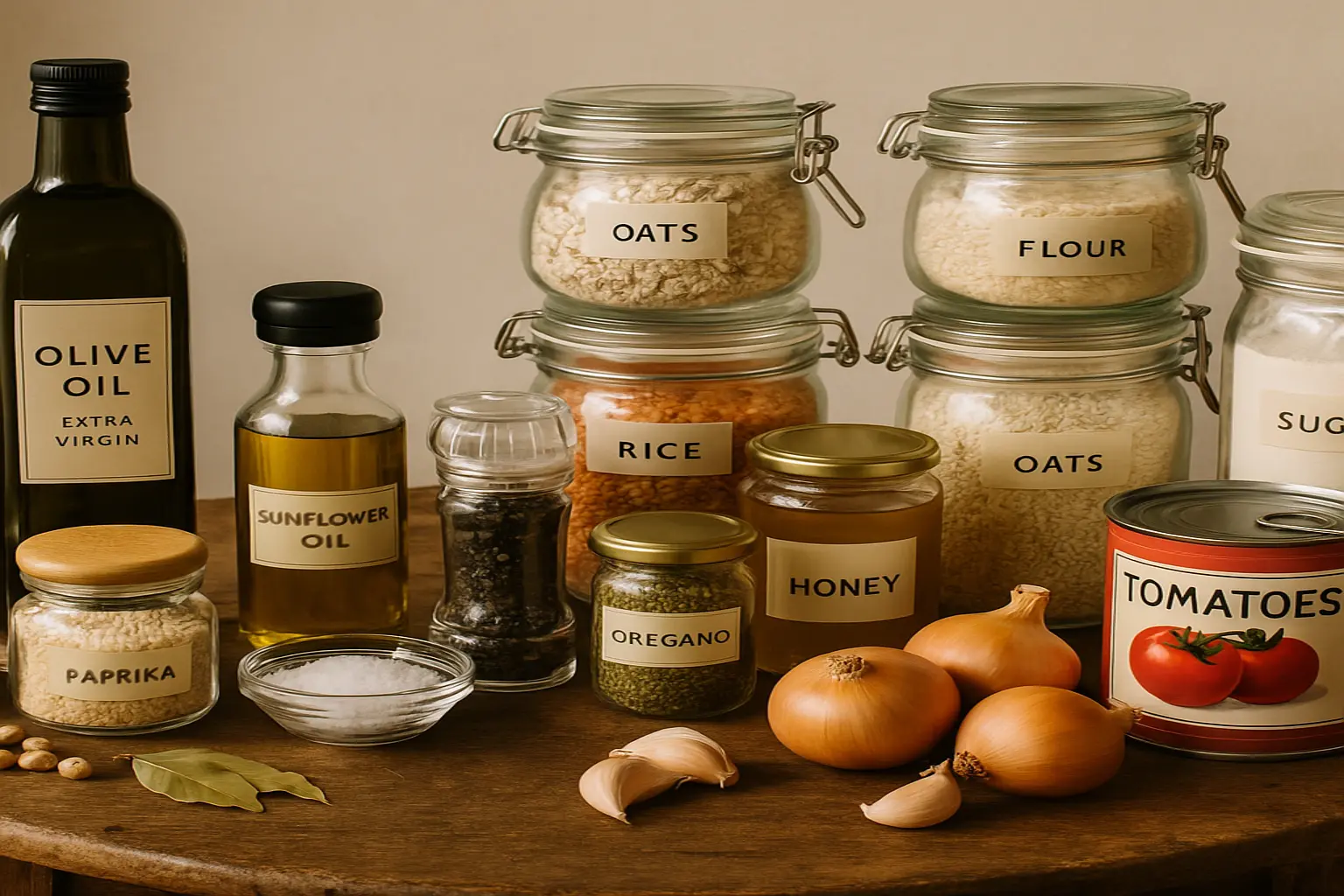
Olive oil, eggs, onions, canned tomatoes, and rice form the quiet base of countless meals. Buy them regularly in moderate amounts so they never run out completely. These reliable items make empty-fridge days feel possible. Olive oil, eggs, onions, canned tomatoes, and rice form the quiet base of countless meals. Buy them regularly in moderate amounts so they never run out completely. These reliable items make empty-fridge days feel possible.
Pay Attention to Use-By Dates Quietly
Choose dairy and meat from the back of the shelf where cooler items sit longer. Gently rotate stock at home — new items behind older ones — so nothing hides and expires unnoticed.
Shop Once or Twice a Week Instead of Daily
Fewer trips save time and reduce small impulse purchases that add up. A calm weekly plan with one mid-week top-up for fresh greens keeps everything balanced and waste low.
Conclusion
Grocery shopping becomes a soft act of care when guided by these gentle habits. You return home not overwhelmed by bags, but quietly satisfied — knowing your kitchen holds just enough for nourishing days ahead. The real gift is the peace that follows: less waste, more calm, and meals that feel like home.
FAQs
Q. How do I avoid overspending?
A. Set a rough budget before leaving and pay with cash when possible — it feels more real.
Q. What if I forget my list?
A. Keep a photo of it on your phone or a standard short list you know by heart.
Q. Are bulk buys always better?
A. Only for items you use often and store well — otherwise they quietly add clutter.
Q. How to shop calmly with children?
A. Give them one small choice and keep the trip short and routine.
Q. What about sales and discounts?
A. Buy only if it is something you already use — sales on unknowns often become waste.