Choosing the right moisturizer is a quiet act of care for your skin. The best one feels comfortable absorbs well and keeps skin soft without greasiness. There are many options but the right choice depends on your skin type and needs. This simple guide helps you find one that works gently. Start by understanding your skin and go from there.
Know Your Skin Type First
Look at your skin after cleansing and waiting thirty minutes. Dry skin feels tight or flaky. Oily skin looks shiny and has enlarged pores. Combination skin is oily in T-zone and dry on cheeks. Normal skin feels balanced and comfortable. Sensitive skin reacts easily to products. This gentle observation helps you pick the right texture.
Understand Moisturizer Ingredients
Look for humectants like hyaluronic acid or glycerin that draw water to skin. Emollients like ceramides or fatty acids smooth and soften. Occlusives like petrolatum or shea butter lock moisture in. The right moisturizer has a balance of these for your skin. Avoid fragrance and alcohol if skin is sensitive.
Pick the Right Texture for Your Skin
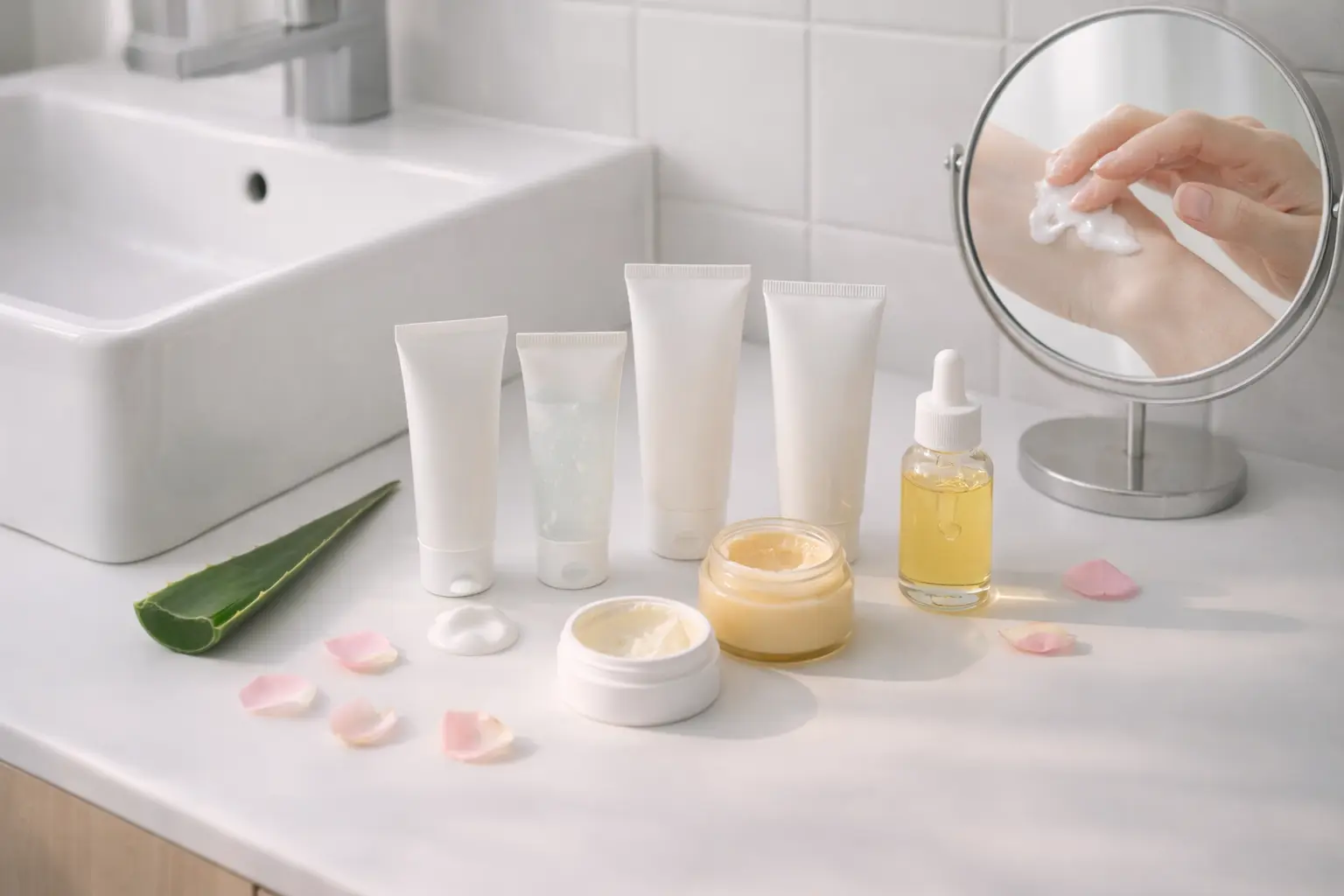
Creams are thick and rich for dry or mature skin. They feel nourishing and last longer. Lotions are lighter and work for normal or combination skin. Gels are clear and cooling for oily or acne-prone skin. Oils suit very dry skin or as a night treatment. Test a small amount on your hand to feel the texture.
Consider Your Climate and Season
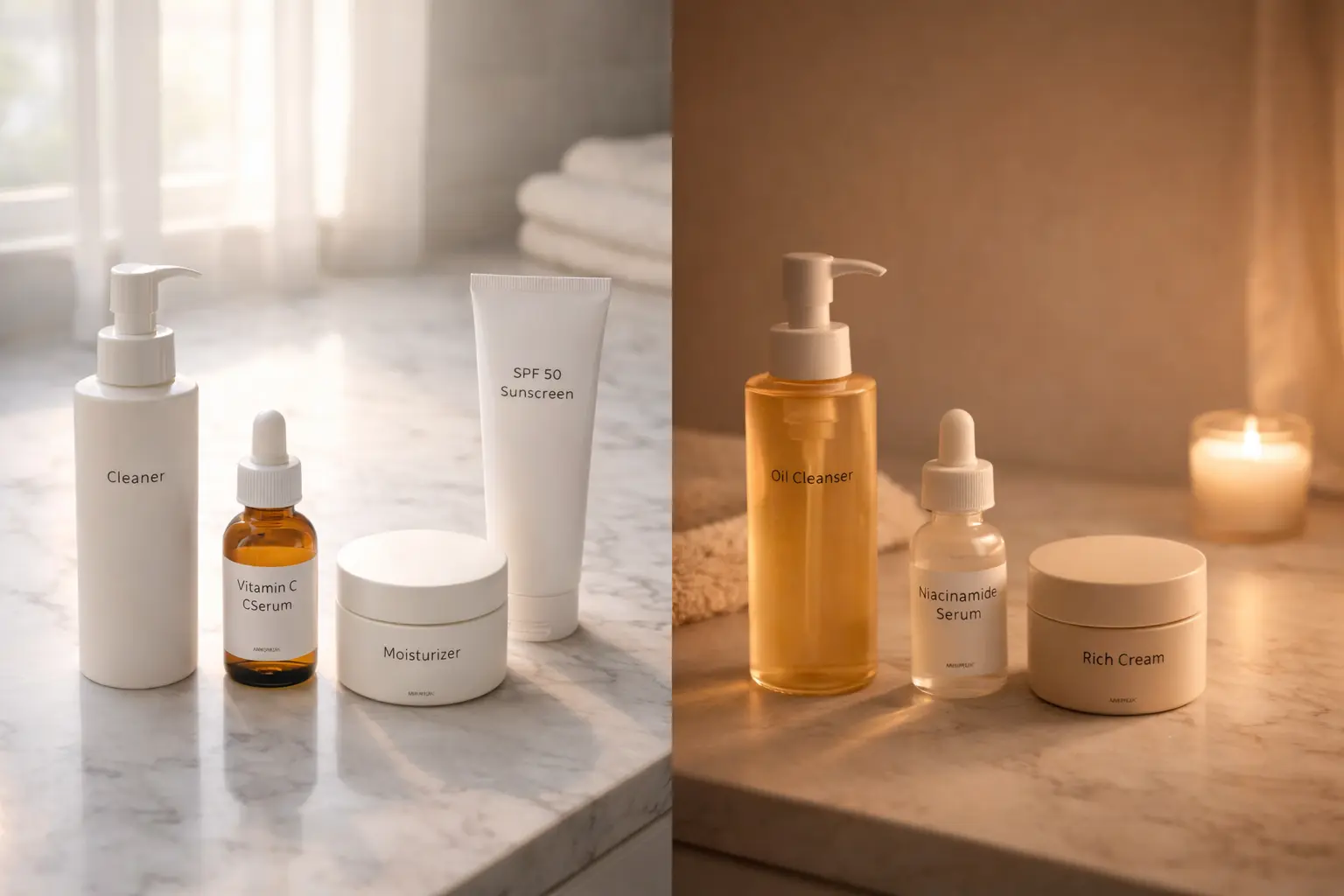
In dry or cold weather use richer creams or oils. In humid or hot weather choose light lotions or gels. Skin needs change with seasons. This gentle adjustment keeps skin comfortable all year. Listen to how skin feels in different weather.

Read Labels Carefully
Look for “fragrance-free” if skin is sensitive. Check for “non-comedogenic” if prone to acne. See if it says “for sensitive skin” or “hypoallergenic”. Avoid long lists of chemicals if you prefer simple formulas. Labels give quiet clues about suitability.
Patch Test New Moisturizers
Apply a small amount on your inner arm or behind ear. Wait twenty-four to forty-eight hours. If no redness itching or burning it is likely safe. This gentle test prevents bigger reactions on face. Always test before full use.
Start with a Small Size
Buy travel or sample size first. Use it for a week or two. See how skin feels and looks. This quiet trial helps you decide without waste. Small sizes let you experiment safely.
Layer with Other Products Gently
Apply moisturizer after serums or treatments. It locks everything in softly. Use sunscreen over it in morning. This simple order helps products work better. The right moisturizer supports your full routine.
Listen to Your Skin Daily
Skin can change with stress hormones or diet. If it feels tight add more hydration. If it feels oily use lighter formula. This gentle listening keeps your choice right. Adjust as skin needs change.
Avoid Common Mistakes
Do not buy based on marketing claims alone. Do not use too much product at once. Do not ignore expiry dates. Do not mix too many actives without testing. These quiet mistakes can irritate skin.
Conclusion
Choosing the right moisturizer is a quiet conversation with your skin. It takes time but brings soft comfort and balance. When you find the one that fits your skin feels calm and cared for. This simple step supports healthy skin gently every day.
FAQs
Q. How do I know if moisturizer is working?
A. Skin feels soft not tight or greasy after use.
Q. Can I use face moisturizer on body?
A. Yes but body lotion is usually cheaper for large areas.
Q. Is expensive moisturizer better?
A. Not always — good ingredients matter more than price.
Q. What if skin feels worse after use?
A. Stop and patch test again — it may not suit you.
Q. How often to change moisturizer?
A. Only when skin changes or seasons shift.