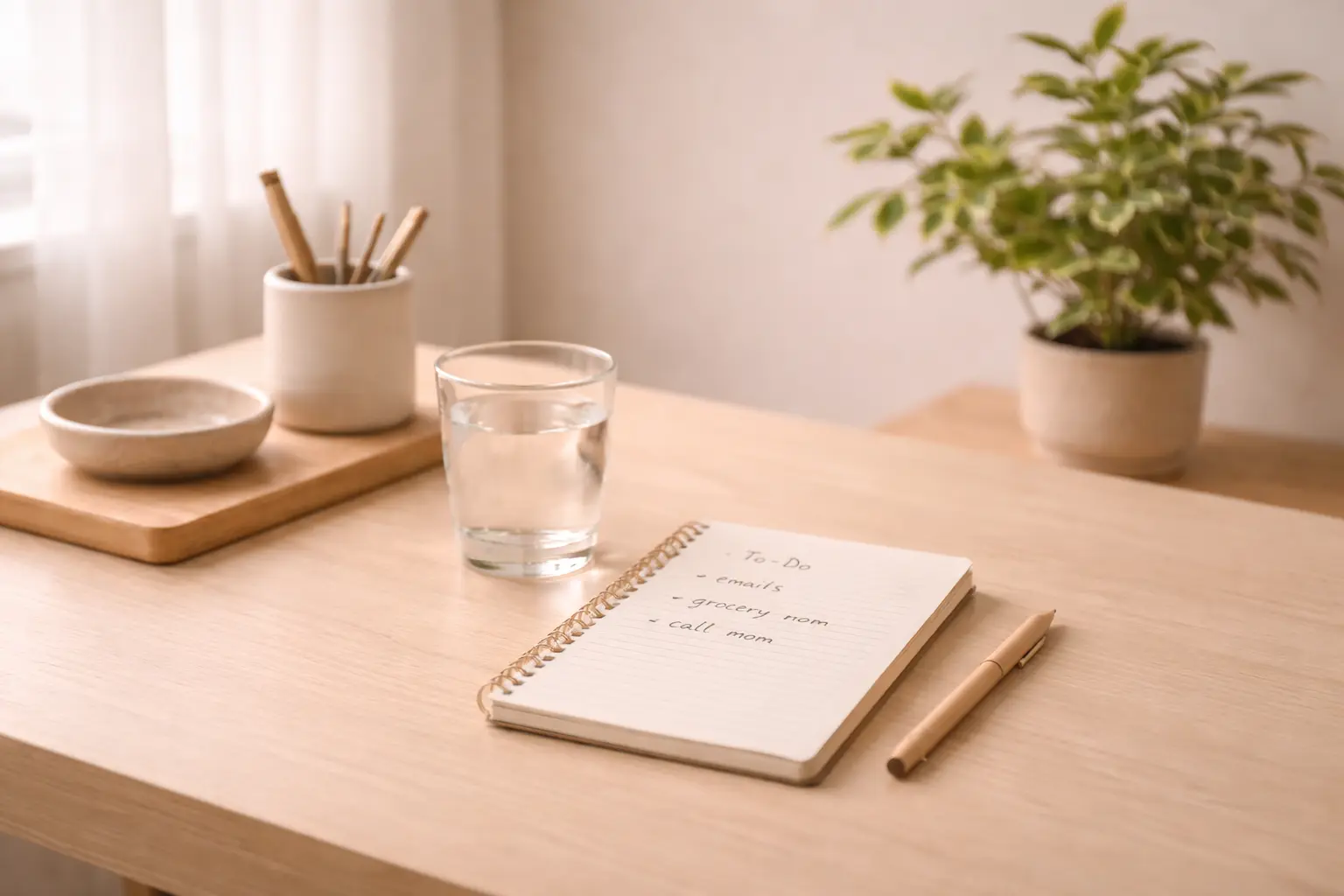

Time management does not have to feel strict or demanding. For beginners, it is about gentle habits that create space and flow in your day without adding stress. These simple practices help you move through tasks with ease, leaving room for rest and quiet moments. They require no complex tools — just small, kind choices that build a calmer relationship with time over weeks and months.
Begin with a Short Morning Plan
Spend five quiet minutes after waking to note three main things you want to focus on that day. Write them on a small note or in a phone list. This gentle start gives direction without overwhelming the hours ahead.
Use Time Blocks Softly
Divide your day into loose blocks — morning for focused work, afternoon for errands, evening for rest. Keep blocks flexible and short, around one or two hours. This soft structure prevents tasks from spilling endlessly into each other.

Prioritise with Gentle Questions
Ask yourself: what one thing, if done today, would make the day feel complete? Start there when energy is fresh. The rest can wait or shift — this quiet priority keeps the day from feeling scattered.
Set Soft Timers for Tasks
Use a gentle timer for twenty to thirty minutes on one task, then pause for a short break. This rhythm honours concentration without forcing long stretches. The break refreshes the mind and makes returning easier.

Keep a Simple Capture Place
Have one notebook or note app for random thoughts, ideas, or to-dos that appear during the day. Writing them down gently clears the mind and prevents quiet worry about forgetting.
Limit Distractions with Kind Boundaries
Place your phone in another room or on silent during focused blocks. Check messages only at set times, perhaps twice a day. These soft boundaries protect attention without feeling restrictive.

Review the Day Quietly
At evening, spend two minutes noting what went well and one small adjustment for tomorrow. This gentle reflection closes the day softly and builds awareness without judgment.
Honour Rest as Part of Time
Schedule short pauses and an early end to work time. Rest is not wasted — it gently renews energy for clearer days ahead. Protect sleep by winding down an hour before bed.
Conclusion
These beginner habits are quiet invitations to treat time as a friend rather than something to control. Slowly, they create days that feel spacious and intentional, where accomplishment arrives softly and balance stays close. Time, tended gently, gives back calm in return.
FAQs
Q. What if my day is unpredictable?
A. Keep the three priorities loose — even one completed brings gentle progress.
Q. How do I handle too many tasks?
A. Move unfinished ones to tomorrow without guilt — not every day holds everything.
Q. Do I need a planner app?
A. No — a simple paper list or nothing written works beautifully for beginners.
Q. What if I procrastinate?
A. Start with just five minutes on the task — momentum often follows softly.
Q. Is perfect scheduling necessary?
A. Not at all — gentle habits allow life to flow while keeping direction.